What are the possible causes?
Two main categories of low back pain (low back pain) can be identified:
- Simple mechanical low back pain without radiation: the pain remains localized in the lower back. It is often caused by a one-time overload, poor posture, or an awkward movement. The pain is more commonly muscular or joint-related, and recovery is usually quick.
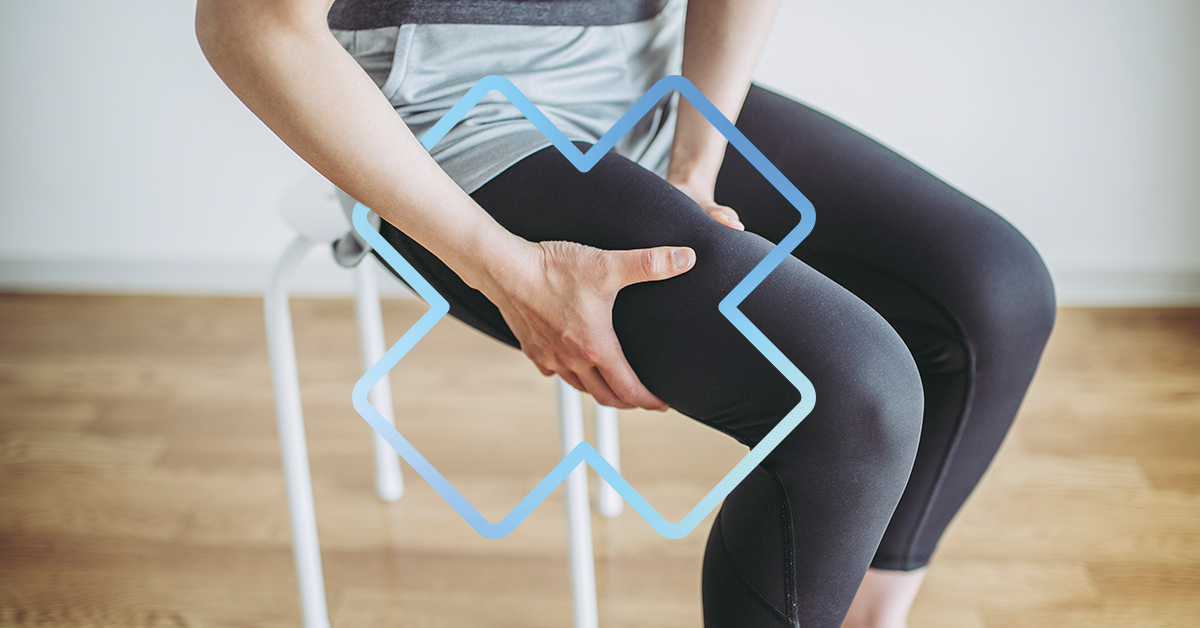
- Mechanical low back pain with radiation: the pain travels down the leg, sometimes as far as the foot. This is commonly referred to as back pain that travels down the leg. It is often caused by irritation or inflammation of a nerve, such as the sciatic nerve. Facet joint osteoarthritis or a herniated disc may be responsible for this type of pain. In some cases, the pain may be limited to the thigh without direct nerve involvement, simply due to lumbar inflammation.
Although these types of pain can be persistent, they are generally reversible with proper care.
Is it serious?
Back pain that radiates down the left or right leg can be alarming, but it is rarely serious. It often occurs after an unusual effort (lifting a heavy load, sitting or standing for long periods, or sleeping in a poor position).
However, certain warning signs require urgent medical attention:
- loss of bladder or bowel control,
- inability to urinate or have a bowel movement,
- severe numbness in both legs or in all four limbs.
In these rare cases, it is crucial to consult a physician immediately.
What can you do to relieve the pain?
The best strategy is to stay active within your tolerance. Contrary to popular belief, complete rest does not speed up recovery and may even contribute to chronic pain.
Here are a few simple tips:
- Stay as active as possible in your daily activities, without pushing through pain.
- Go for 5- to 10-minute walks, 3 to 4 times a day, without increasing your pain. Walking helps maintain mobility and reduce stiffness.
- Apply ice for 20 minutes as needed to relieve symptoms.
Recovery generally occurs within 2 to 3 weeks. During this time, adjust your activities to stay active without worsening the pain.
When should you consult?
If the pain:
- prevents you from working or carrying out your usual activities,
- affects the quality of your sleep,
- persists beyond 2 to 3 days,
- or is accompanied by weakness in one leg,
it is recommended to consult a physiotherapist.
How can physiotherapy help?
In physiotherapy, the first appointment allows the therapist to identify the source of the problem through a comprehensive assessment. The therapist:
- evaluates your signs and symptoms,
- provides a physiotherapy diagnosis,
- develops a personalized treatment plan.
The physiotherapist will help you better understand your condition and guide you on which movements to do or avoid to support your recovery.
Treatments may include:
- mobility, stretching, and strengthening exercises,
- manual therapy techniques to reduce stiffness and inflammation,
- targeted exercises to stabilize the core,
- pain management strategies.
With appropriate care, the vast majority of people regain comfort quickly and return to their normal activities.
Whether you have back pain that radiates down the left leg, the right leg, or both, these symptoms are common and rarely serious. Staying active, adapting your activities, and consulting a physiotherapist if the pain persists are key to a fast and lasting recovery.