5 recommended toys for babies aged 0 to 6 months
Vanille the Giraffe
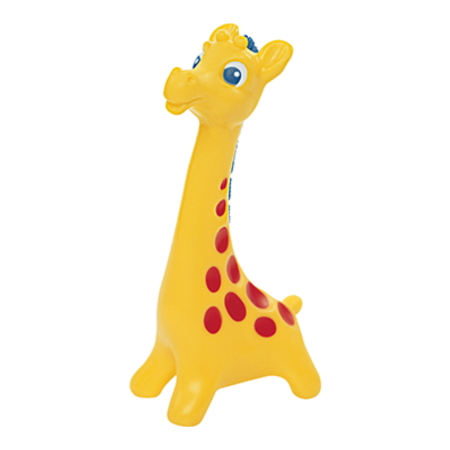
A favorite for many years, both for our physiotherapists and our little patients in the clinic! This giraffe has many qualities and features that babies love. First, it has high-contrast colors (unlike Sophie the Giraffe), which attracts little ones’ attention. It also has a very long neck and is very lightweight, making it easy for small beginner hands to hold and manipulate. It’s made of soft plastic, so it’s great for teething and easy to chew on! Another key point: unlike its competitor Sophie the Giraffe, Vanille doesn’t have any body parts long enough for a baby to push too deeply into their mouth and gag.
A floor mirror
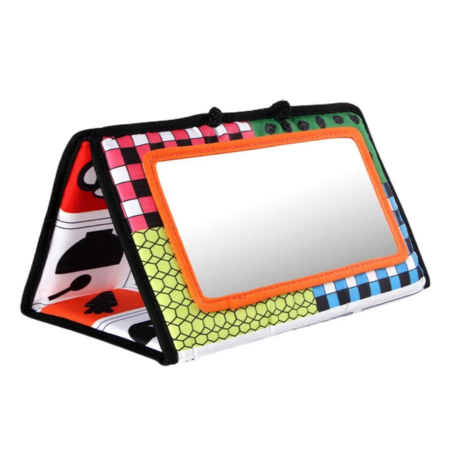
The essential thing to know about tummy time is that, from the very first days of life, there is no issue putting your baby on their stomach and it does not cause pain. Starting tummy time early helps your baby get used to tolerating this position, which is essential for motor development and good muscle balance. It’s important that your baby doesn’t cry on their tummy; that’s why we recommend very short periods early on (30 seconds to a few minutes, depending on tolerance). As soon as your baby starts to fuss, turn them onto their back, then try tummy time again a few minutes later. To help your baby get used to it, a mirror placed on the floor encourages them to lift their head and stimulates them, since babies love looking at faces. If the mirror has a high-contrast border (black and white, for example), it will attract your baby’s attention even more.
High-contrast black-and-white or red-and-white toys
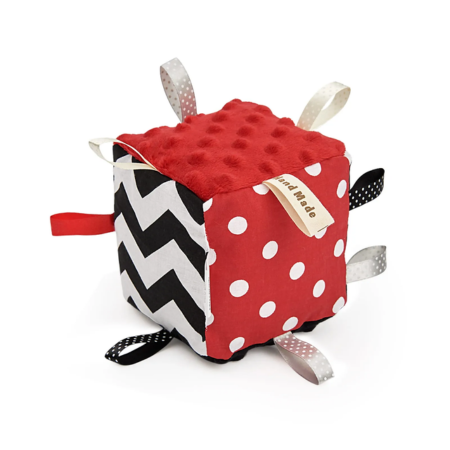
From birth, a baby can see an object about 20 cm away. They don’t yet see subtle shades, so objects should be high contrast, ideally black and white. At 2–3 months, babies start to perceive basic colors, but still prefer high-contrast combinations. So, to capture their attention and spark the most interest, it’s recommended to use high-contrast objects such as black-and-white rattles. No need to spend a fortune: you can also find tons of images by searching “black and white baby images” online. Then simply print them and stick them on the walls, on the side of the changing table, wherever inspiration strikes!
Play mat
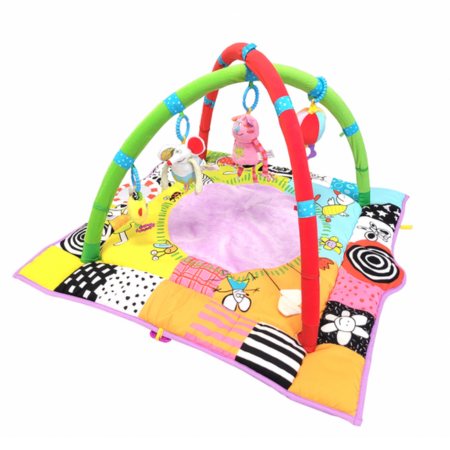
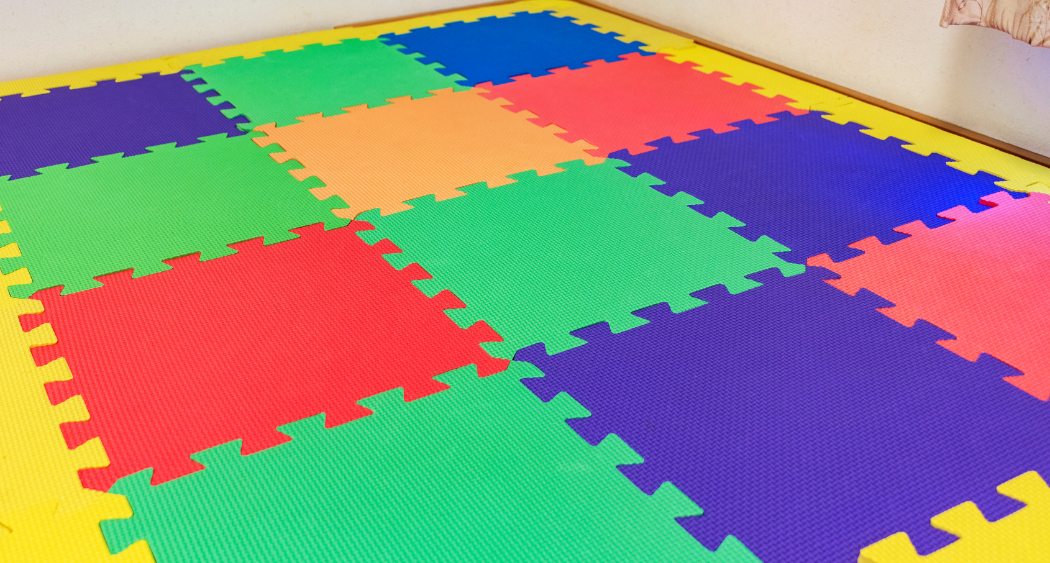
Almost all play mats, regardless of brand, are excellent for babies and help them get comfortable on the floor, on their back, on their tummy, or eventually sitting. Since they can be expensive, interlocking foam puzzle mats also work very well. But if your budget allows, choose a mat where you can adjust the arch position to help your baby better tolerate tummy time.
Play mats with raised sides, or those that often include a piano image, are not recommended because babies push with their feet against the edges and strengthen muscles that are not ideal for healthy motor development.
Wrist and ankle rattles
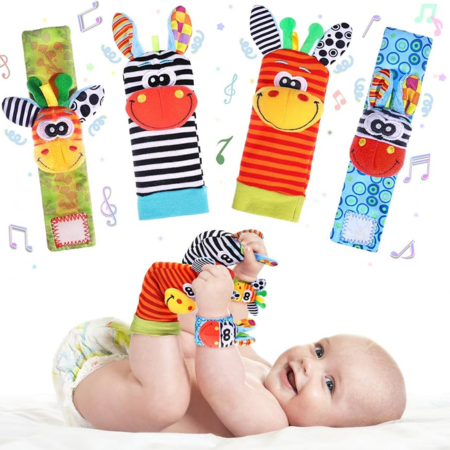
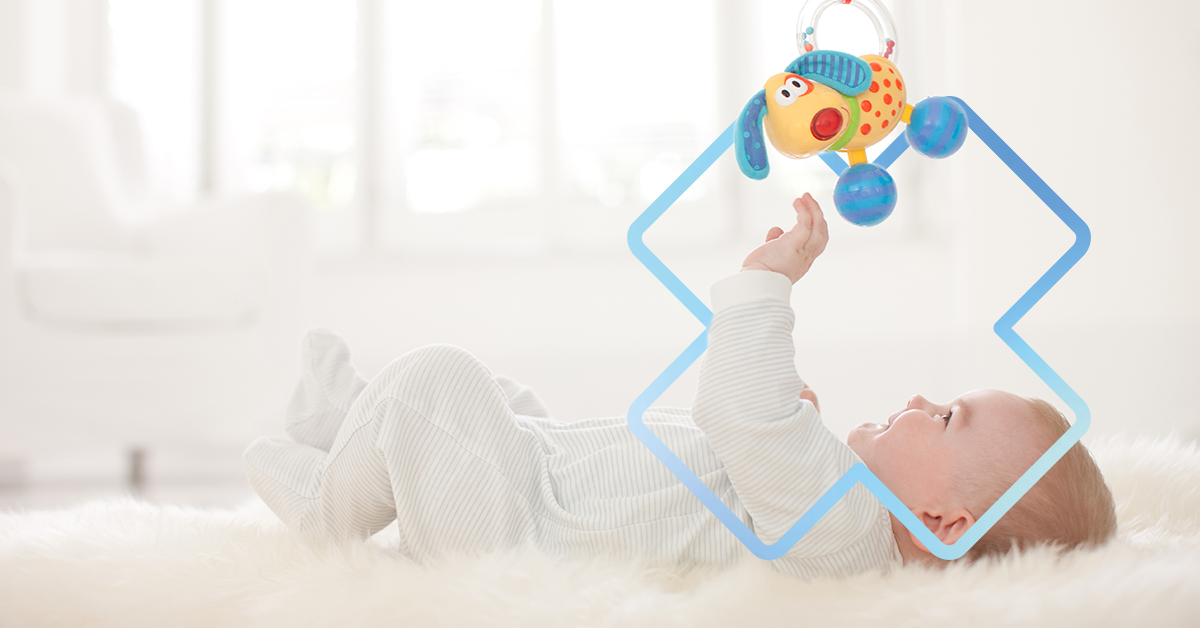
Wrist rattles are useful around 3–4 months, because babies start trying to bring their hands toward their abdomen while lying on their back. This helps begin abdominal engagement and encourages hand exploration. Also, some babies prefer turning their head to one side; placing a wrist rattle on the opposite side may encourage them to turn their head more often toward the less-favored side. Around 5–6 months, ankle rattles become interesting because they encourage babies to bring their feet toward their hands and even to their mouth, while on their back. The goal is still to support abdominal development, which is essential for healthy motor development.
5 recommended toys for babies aged 6 to 12 months
Water play mat
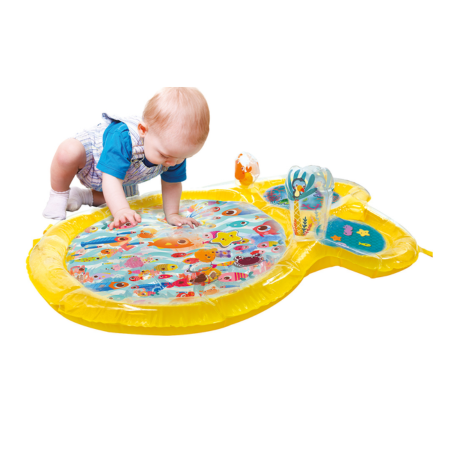
This type of toy is very useful to continue the work started during tummy time. At 6 months, the goal is for tummy time to become your baby’s favorite position. Since the elements move inside the water mat, babies are fascinated. This toy can also help practice the hands-and-knees position (which typically appears around 9 months), an essential stage that develops abdominal control, shoulder strength, and coordination.
Large stacking cubes and ring stacker
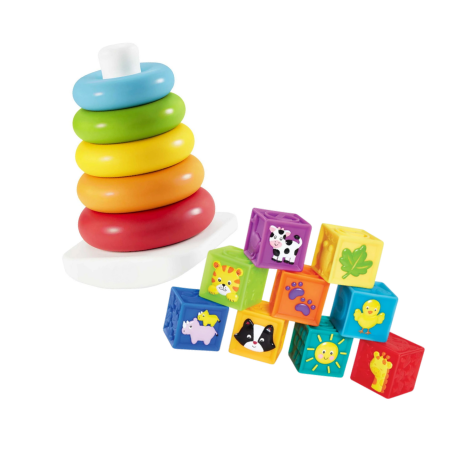
Two classic toys that always delight little ones. The ring stacker is perfect for working the upper body. Your child learns to use both hands and improves hand-eye coordination. Stacking cubes help develop early fine motor skills. Babies also love throwing them! These toys help consolidate sitting once tummy time is well established.
Activity table
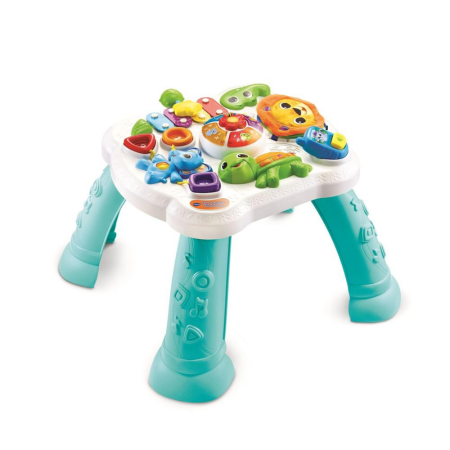
This is the must-have toy for this age range. There are many models—make sure to choose one with removable legs. At first, when your baby starts sitting and crawling, remove the legs and place the toy on the floor: ideal for tolerating the hands-and-knees position. When your baby starts pulling up to kneel, put the legs back on so they can practice standing. Later, your child can push the table to work on supported walking.
Push walker
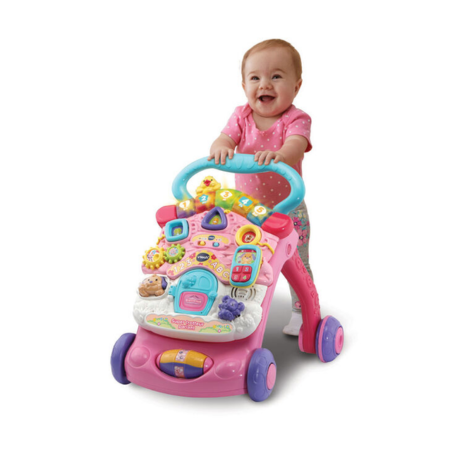
Useful for babies who begin pulling up to stand with support, usually around 9–10 months. Wooden models are heavier and harder to steer, but more stable for beginners (they move more slowly). Plastic models are lighter and easier to maneuver, which can be helpful for babies who are close to walking (they move faster and require more trunk control).
Piano
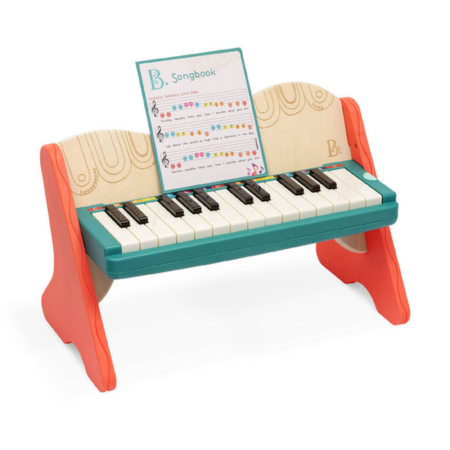
Helps work on the sitting position. With an opening to sit with legs in front and a height that allows the child to lean on their hands, the child maintains a more upright posture. Later, it encourages kneeling to prepare trunk control for standing.
Frequently asked questions by parents
Does my baby really need toys?
First, it’s important to know that your baby doesn’t need the latest viral toy advertised on social media as THE toy that will make them love tummy time every single time. Marketing is incredibly powerful in the baby toy and game industry, so be careful not to get swept up by FOMO if you don’t have the toy everyone is talking about.
At first, a baby needs human presence to interact and to have their basic needs met. The best toy is you! A smile, a few words, a laugh, or eye contact is enough to capture their attention and make them want to move.
After that, anything can become a toy as long as it’s safe for your baby. Toys must be age-appropriate and should not come apart into small pieces that could cause choking, or lead to swallowing toxic particles if your child puts them in their mouth. Because yes—babies put everything in their mouth, and that’s an essential part of exploration and development.
Many items you already have at home can become “toys”: a mirror, baby plastic utensils, plastic bowls, measuring cups, looking outside through the patio door etc.
How many toys should my baby have?
We recommend this approach: fewer toys, but better quality. Choose durable toys that are easy to wash, because your baby will definitely put them in their mouth. Here’s an interesting article on how to wash children’s toys, created in collaboration with Naître et Grandir and a microbiologist: Cleaning toys.
Giving your baby only one toy at a time during tummy time encourages them to move, lift one hand, and pivot in order to reach that toy. On the other hand, if your little one has several toys within reach, they will always grab the closest one and may be less likely to move and explore their environment to find the toy they pushed too far away.
Don’t forget to check thrift stores/second-hand toy shops/social media/friends. You can often find nearly new gems at a lower cost, and it helps the environment by reusing toys that are still in good condition.
Where is the best place for my baby to play?
The best place is where your baby can move as freely as possible while staying in a safe space. That’s why the floor (on a play mat, foam mats) is the most recommended space even when your baby is only a few weeks old.
Swings/chairs/cushions like Snuggle Me are all non-essential accessories that can even restrict your baby’s movements. They should only be used as a temporary solution when your baby no longer wants to be on the floor.
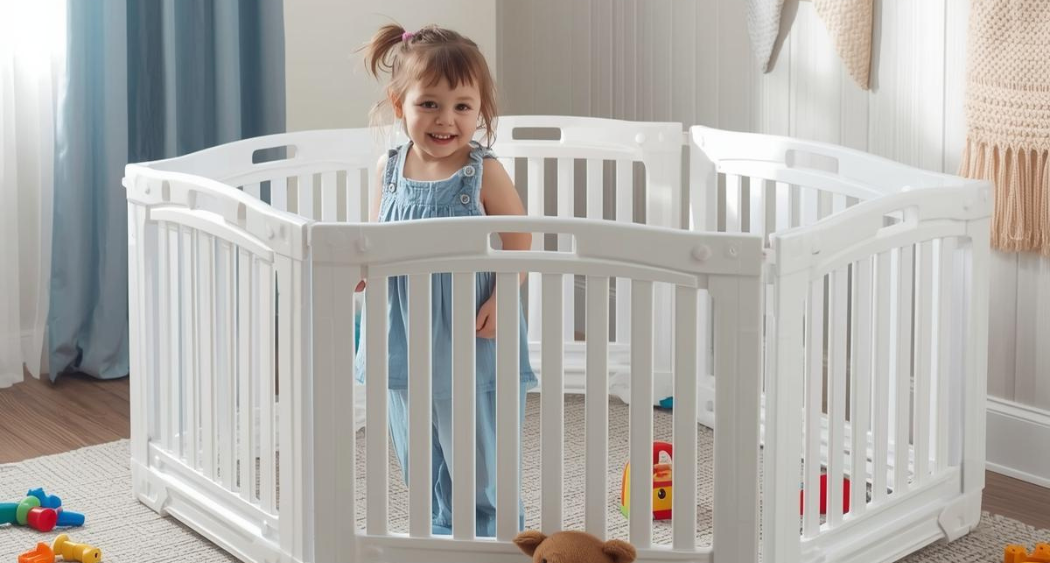
If you have a pet and you’re worried about your child’s safety, you can use a playpen or baby safety gates to create a defined space between your pet and your child.
Adult beds are not recommended for play. First, due to the risk of falling, you never know the exact day your baby will be strong enough to roll over on their own! Second, adult beds are often too soft and make movement harder because the baby sinks into the mattress.
Do you have questions or specific needs for your baby? Don’t hesitate to consult our pediatric physiotherapists.