What is sensory information processing?
Sensory information processing refers to the way a person perceives, organizes, interprets, and responds to information from their senses. This includes sight, hearing, touch, taste, and smell, as well as the sense of balance and body awareness in space.
Integrating this sensory information helps a person to:
- feel safe,
- adapt to their environment,
- understand the messages around them,
- regulate their emotions,
- interact with others,
- take part in everyday activities.
When this process works well, it supports learning, autonomy, and well being. When it is more difficult, certain daily situations can become more demanding and limit a child’s participation at home, at school, or in the community.
What do we mean by sensory differences?
In some children, and even in some adults, sensory information processing can be different. The brain may have difficulty filtering, organizing, or interpreting certain stimuli. These differences can appear as reactions that are disproportionate or, on the contrary, very limited in response to everyday situations, which can affect participation in daily activities.
Different sensory profiles are commonly observed.
Hypersensitivity and hyperreactivity
The child reacts very strongly to certain stimuli. For example, they may:
- be bothered by environmental noises and cover their ears, hum, or sing to reduce them,
- refuse to wear certain clothing because of textures,
- refuse to be touched,
- be uncomfortable with certain smells or lights and squint or cover their eyes.
Hyposensitivity and hyporeactivity
The child reacts little to stimuli and may seem less aware of their environment. For example, they may:
- not notice when their hands or face are dirty,
- seem less sensitive to pain or cold,
- hug very tightly,
- fall off their chair regularly.
Sensory seeking
Some children actively seek sensations to help regulate themselves. They may:
- move constantly,
- jump and touch everything,
- chew on objects,
- seek intense physical contact.
In the same person, it is entirely possible to observe different sensory profiles depending on the sense involved. These reactions are neither voluntary nor related to a lack of effort or discipline. They simply reflect a different way of processing sensory information.
The role of occupational therapy with children
Difficulties with sensory information processing can have a significant impact on a child’s daily life, whether at home, at school, or in community activities. They can influence routines, play, learning, and social interactions, and may be a source of frustration and misunderstanding for parents.
An occupational therapy assessment in sensory integration helps better understand the child’s sensory profile, identify what makes daily life easier or more challenging, and put concrete, adapted strategies in place. The goal is to support the child’s participation, performance in daily activities, and quality of life, while respecting their needs, pace, and individuality.
When should you consult pediatric occupational therapy?
It is recommended to consult when hypersensitivity or sensory differences interfere with the child’s participation in daily activities. This may appear as difficulty tolerating certain noises, textures, foods, clothing, or movements.
For example, a child with hyperreactivity to noise may struggle to participate in class, take part in group activities, or adapt to certain social contexts, which can affect their well being and learning.
It is important to note that some challenging behaviours may also be related to emotional factors, such as stress or anxiety, or cognitive factors, such as not knowing what to do.
What does pediatric occupational therapy follow up look like?
Preparation for the initial assessment
Questionnaires are sent to parents to obtain an overall picture of the child’s needs, including questionnaires specific to behaviours related to sensory information processing, completed at home and in daycare or school settings.
Initial assessment
An assessment lasting about one hour is carried out with the child. Various activities are proposed, allowing the child to experiment with certain sensory tools.
Parent feedback and planning
Following the assessment, feedback is provided to determine whether follow up is recommended. A personalized intervention plan is then developed, including goals and session frequency.
Intervention sessions
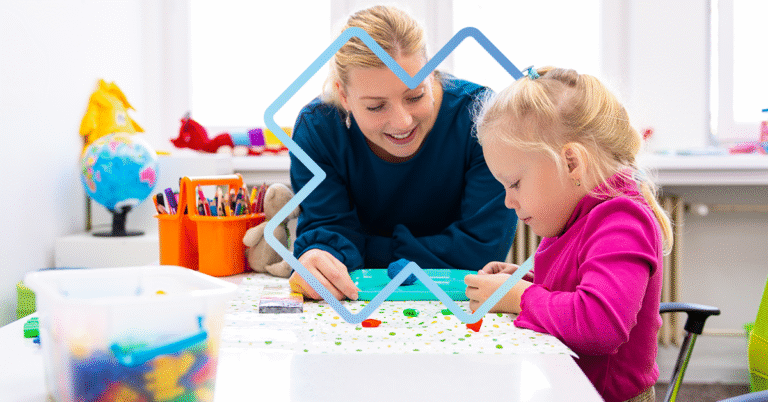
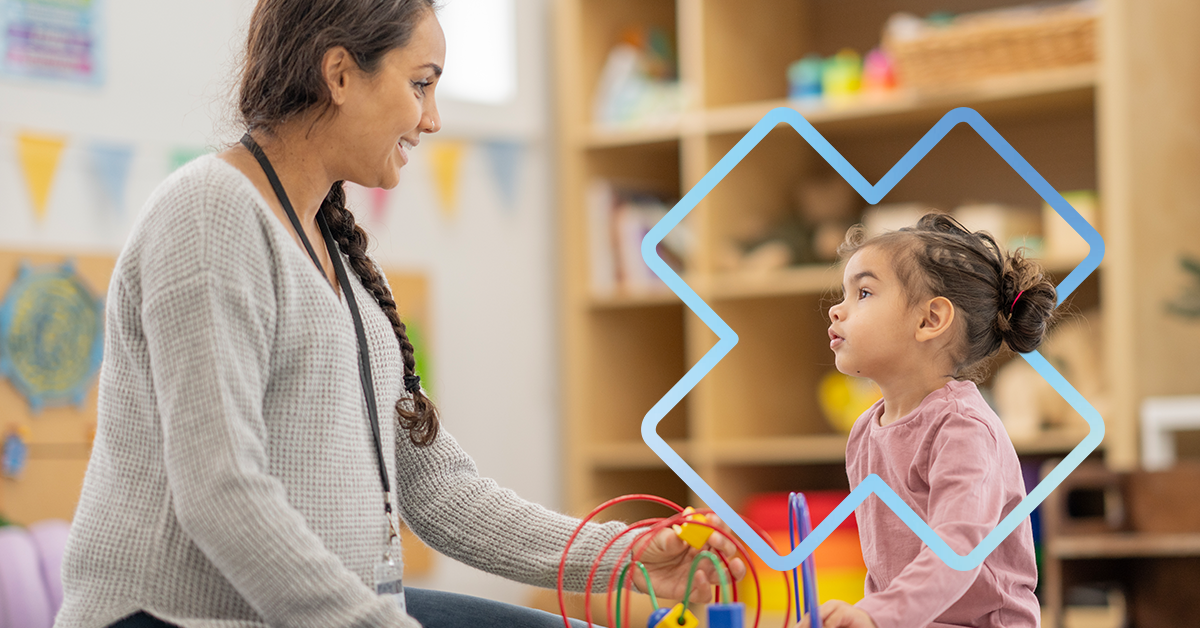
The parent accompanies the child during sessions. The occupational therapist uses games and activities to support the development of self regulation skills. Tools and strategies are also shared for use at home and at school.
Why are these difficulties more common in children?
In children, the brain is still developing and does not always have the full capacity to filter and modulate sensations. With age, the brain learns to adjust the intensity of sensations and adapt responses based on their importance.
How can you support a hypersensitive child in everyday life?
While waiting for a consultation or alongside occupational therapy follow up, certain strategies can help support the child:
- observe and better understand situations or stimuli that are more challenging,
- adapt the environment by reducing intense stimuli when possible,
- respect the child’s pace and needs by offering breaks,
- suggest calming strategies such as predictable routines or planned quiet moments,
- value efforts and acknowledge successes.
Do you have questions about your child’s sensory information processing? An occupational therapist expert in sensory integration can support you with practical, adapted strategies. Contact the PhysioExtra team to learn more.