Women’s sport on the rise
Since 2014, the International Women’s Sports Day has aimed to highlight women’s athletic achievements and the ongoing barriers they still face. Notable progress has been made, including the creation of the Professional Women’s Hockey League in 2024. In Quebec, the distribution of members by sex within sport federations improved in 2022-2023, although parity has not yet been reached (source).
Female physiology and athletic performance
Menstruation and training
Studies examining the impact of menstruation on athletic performance show variable results depending on the methodology used. When the methodology is rigorous, findings suggest that muscular strength and power may decrease during the premenstrual and menstrual phases.
The follicular phase, marked by a gradual rise in estrogen, can be a favourable time to focus on strength and muscular power. However, tendon laxity may increase near ovulation, which raises the risk of ligament and tendon injuries.
The impact of menstrual cycle symptoms varies greatly from one woman to another. An individualized approach is therefore essential (source).
Injury risks in female athletes
Female athletes have an increased risk of certain injuries, including:
- overuse-related stress fractures,
- shoulder injuries such as subluxations and dislocations,
- patellofemoral knee pain,
- anterior cruciate ligament (ACL) injuries, particularly among adolescent athletes in sports involving jumping and changes of direction,
- ankle sprains, which are more common due to increased ligament laxity.
Women are also more at risk of overuse injuries, such as tendinitis and bursitis. During menopause, the risk of musculoskeletal injuries increases. Concussion rates are also higher, with symptoms often more intense and a longer return to sport (source).
Physiological differences between women and men
Men generally have more type II muscle fibres, which are associated with strength and power, as well as greater overall muscle mass. Women, on the other hand, have a higher proportion of type I fibres, which supports muscular endurance.
Hormonal differences also play an important role. Estrogen, which is higher in women, influences glucose metabolism, bone density, and musculoskeletal and tendon health. Testosterone, which is more present in men, contributes to muscle mass, bone mineral density, and oxygen transport.
Maximal aerobic capacity is 10 to 20 percent higher in men. However, women tend to recover better in the short term after dynamic exercise. Understanding these differences helps better interpret performance variations between female and male athletes (source).
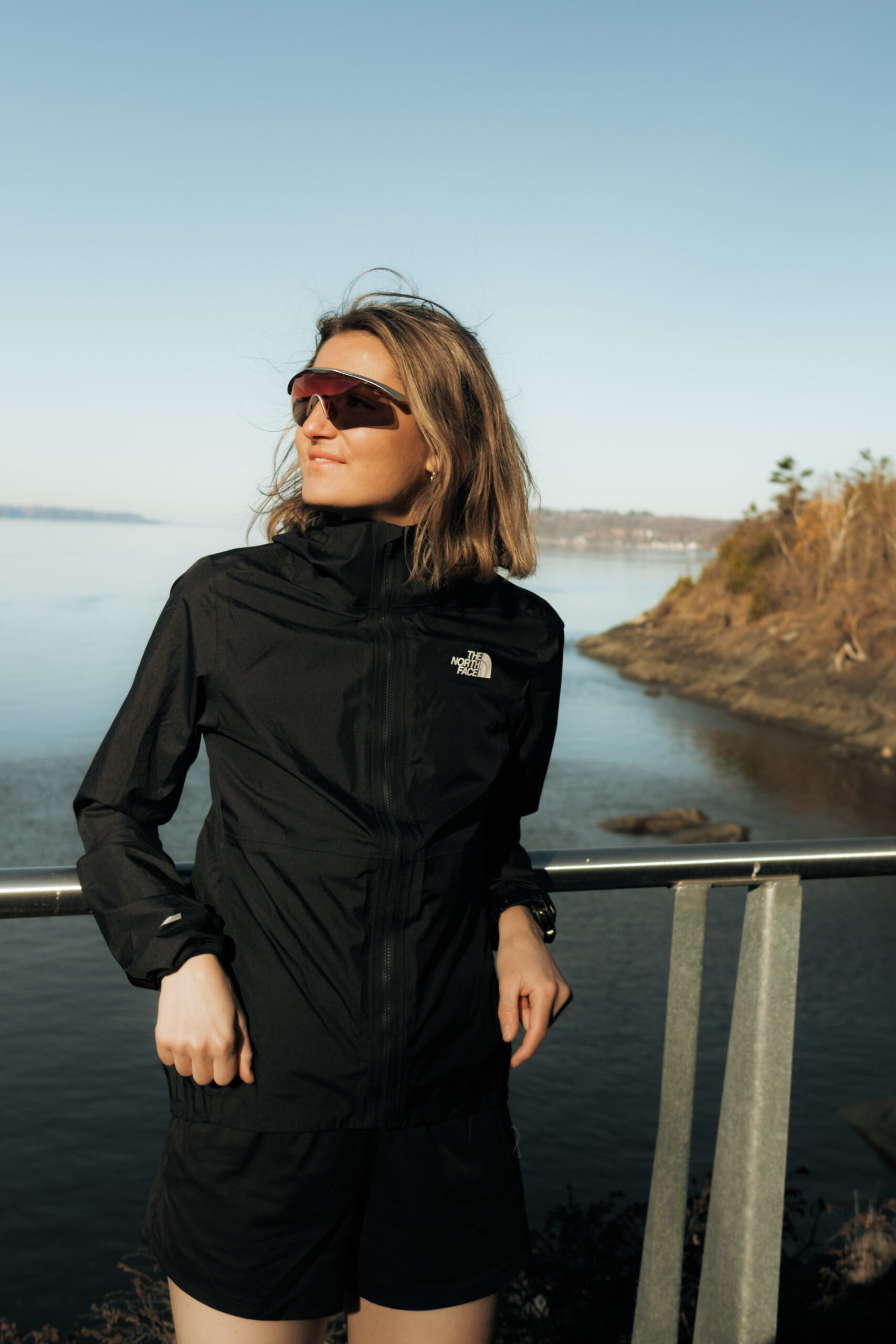
“Over time, I’ve realized that sport has become a powerful tool for women’s empowerment. It teaches us to take up space, listen to our bodies, and trust our strength—both physical and mental. And when a woman feels strong in her body, she naturally feels more legitimate everywhere else.” – Emmanuelle-Salambo Deguara, endurance athlete and co-founder of the 6AM Club
Motherhood and sports participation
For women with a normal, healthy pregnancy, physical activity has no negative effects and is even recommended. The goal is to reach 150 minutes of physical activity per week, spread over at least three days (source).
Regular exercise during pregnancy helps reduce several risks, including gestational diabetes, high blood pressure, preeclampsia, depression during pregnancy, and the birth of a high-birth-weight baby.
Some precautions remain important, such as avoiding starting a new high-intensity sport, exercising in extreme heat, or doing movements that may cause impact to the abdomen. It is also recommended to stop activity if symptoms appear.
Physiotherapy with expertise in pelvic floor rehabilitation can support women before and after childbirth, and help adjust training based on the stage of pregnancy. See also our article: Returning to sport after childbirth: when? how?
In the case of a high-risk pregnancy, it is essential to consult a doctor before beginning an exercise program.
Specific recommendations for elite and professional athletes remain limited. Several barriers persist, including concerns about body changes, reduced training, sources of income, and balancing sport and family life. A French survey from 2021 found that 14 percent of respondents retired from sport during their pregnancy or after the birth of their child.
For athletes hoping to return to high-level sport after giving birth, specialized guidance is necessary, with a timeline that can extend to around one year (source).
Challenges in scientific research
Despite evolving attitudes, research remains a major issue in women’s sport. A meta-analysis published in 2021, reviewing 5,261 studies, reported that only 6 percent focused exclusively on women. Men accounted for 66 percent of participants.
This imbalance leads to a lack of precise data to adapt training, injury prevention, and medical monitoring to the realities of female athletes (source).
A hopeful outlook for the future
The Paris 2024 Olympic Games marked a historic turning point with perfect parity between female and male athletes. The Milano Cortina Winter Olympic Games also reached a milestone, with 47 percent of qualification spots awarded to women.
Public interest in women’s sport is growing. In women’s hockey, an attendance record was set during the inaugural game of the team La Victoire in April 2024, drawing more than 21,000 spectators. This league is considered a major turning point for women’s sport.
These advances offer a hopeful message for girls and women, whether they are amateur or professional athletes.
Do you play a sport or want to get back into it safely? PhysioExtra professionals are here to support you at every stage of your athletic journey.
Sources:
- St-Pierre, L. (2025). The place of girls and women in sport in Quebec: 2025 update. Laboratory for the advancement of women+ in sport in Quebec. 25 p.
- Women’s sport physiology, Égale Action and INS Québec (2024).
- What are the physiological differences in sports performance between women and men? Athlétisme Québec (2024).
- Physical activity and pregnancy, CHU Sainte-Justine (2025).