Pediatric perineal and pelvic rehabilitation is a physiotherapy approach that helps children improve urinary and bowel control while respecting their development and daily reality. With an adapted treatment plan, children and their parents gain a better understanding of the condition and learn practical strategies to improve symptoms.
Why consult for pediatric perineal and pelvic rehabilitation?
The goal is to improve urinary and bowel control, as well as manage incontinence and constipation. For example, it can help better understand which muscles to relax during urination (peeing) and bowel movements. It also helps parents and children understand and modify risk factors that may contribute to the condition.
What are the benefits?
The benefits of pediatric perineal and pelvic rehabilitation depend on the reason for consultation. This approach aims to improve urinary and bowel control, as well as manage incontinence and constipation.
- Your child learns to better recognize bladder filling sensations and to go to the bathroom at the right time.
- Your child learns to relax the appropriate muscles depending on the issue, whether for urination or bowel movements.
- Your child develops strategies to calm strong urges to urinate and to hold longer.
Parents may also feel better supported and more confident in helping their child.
How does a session work?
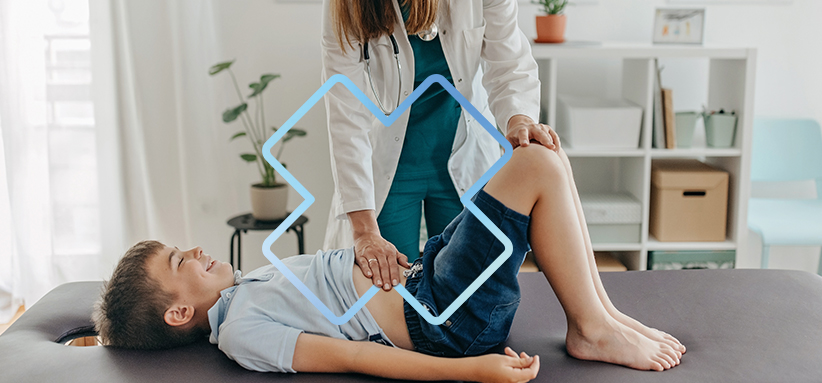
The first session includes an in-depth discussion with the child and parents to better understand the issue and its impact. Various tests may be performed to assess mobility, balance and the abdominal area.
Depending on the condition, a pelvic region assessment may be done during follow-up sessions to help the child identify the correct muscles to contract or relax. A treatment plan including advice and exercises is proposed based on expectations and goals.
Frequently asked questions (FAQ)
At what age can a child consult?
Children aged 6 and over can consult for pediatric perineal and pelvic rehabilitation in physiotherapy.
Do parents need to be involved?
Yes. Parental involvement is essential, as parents are the most present figures in the child’s daily life.
Is a medical referral required?
No. A medical referral is not required to consult a physiotherapist, but physician collaboration may be needed depending on the situation.
To make an appointment, call today at 1 855-743-9872.