The most common injuries
Tendinopathies
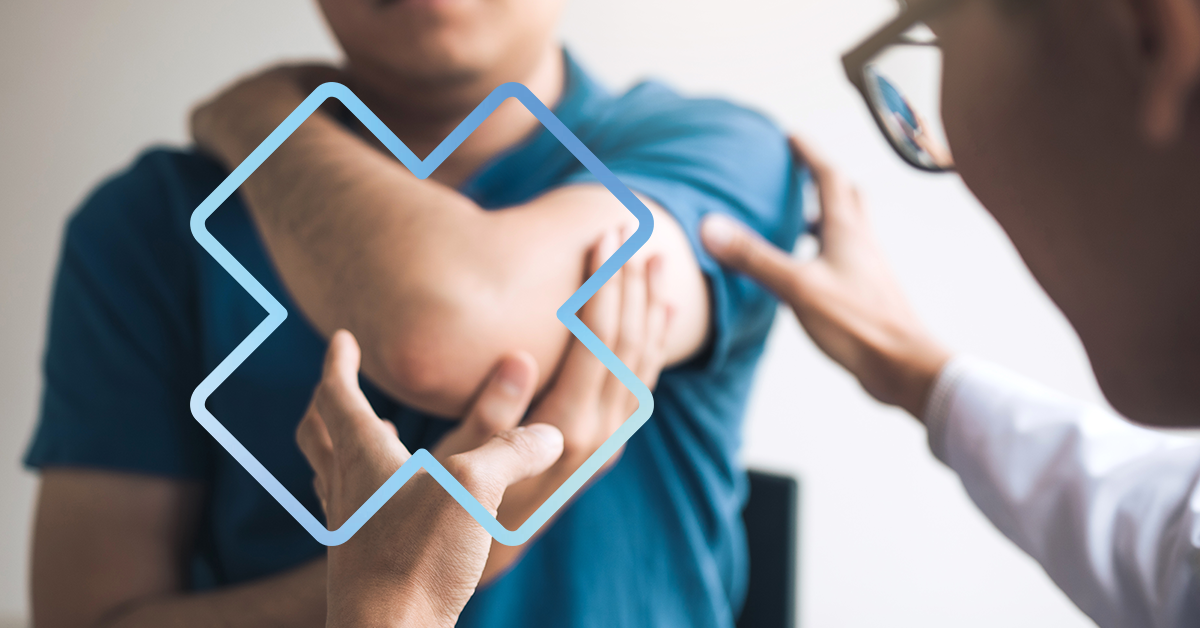
Tendinopathies are among the most common elbow injuries. A tendinopathy is an irritation, inflammation, or tear of a tendon—the structure that connects muscle to bone—which can occur after a direct impact or as a result of repetitive movements.
When inflammation is present in the first few days after an injury, it is called tendinitis. Swelling around the elbow and a sensation of warmth in the area are common. When the injury persists beyond a few days, it is referred to as tendinosis. In that case, swelling, if present, is usually milder.
In both cases, pain may occur on the inside or outside of the elbow. Pain on the outside is more common because the muscles attached there are used more frequently. This type of pain is called epicondylitis, also known as “tennis elbow.” The pain often appears when lifting an object, opening a jar, working on a computer, or playing a racquet sport. In more severe cases, the pain may even be present at rest. When the pain is located on the inside of the elbow, it is called epitrochleitis, or “golfer’s elbow.” It often occurs during sports such as golf. It is also possible to experience a combination of both epicondylitis and epitrochleitis.
Traumatic injuries
It is less common to injure the elbow during an accident. However, the elbow can experience slight changes in alignment, for example, after a fall. Pain may develop gradually, making it difficult to pinpoint the exact cause. Often, stiffness develops in the joint, which puts extra strain on the muscles and tendons, potentially leading to a tendinopathy.
When pain comes from the neck or shoulder
It is not unusual for the neck and/or shoulder to be involved in elbow pain. One clue is when the pain radiates to the wrist, shoulder, or neck, or when tingling or numbness is felt in the arm. Sometimes, muscle tension in nearby areas is the true source of the pain.
How to prevent it
Fortunately, it is possible to prevent elbow injuries. Here are a few pro tips.
For athletes, the key is to start with a proper warm-up. It’s also important to use equipment that fits properly, as lightweight as possible, and to gradually increase training intensity and duration.
If you work at a computer, take time to assess your workstation and make the necessary adjustments. Pay special attention to these three elements:
- Keep your feet flat on the floor and your back supported by the chair.
- Adjust the armrests so that your elbows remain at a 90° angle.
- Use an ergonomic keyboard and mouse to reduce strain on the elbows.
If you have a manual job, make sure to use equipment that’s in good condition and to vary your tasks whenever possible. Keep in mind that the most demanding movements for the elbow are rotational movements of the forearm and repeated bending and straightening. Avoid repetitive motions as much as possible.
How to relieve pain
Start by getting some rest. Avoid movements that increase pain for a few days. Afterwards, it’s important to get moving again, as movement is the best way to promote healing. Some mild discomfort is acceptable, but make sure the pain does not significantly worsen during or after activity.
You can massage your forearm if it helps relieve pain. Massage helps reduce muscle pressure on the elbow. You can also apply heat to relax the muscles—use a heating pad, hot water bottle, or warm compress for 10 to 15 minutes. It’s best to avoid ice and anti-inflammatories, as they may slow down the healing process, unless the pain is severe and limits daily activities. You may use an analgesic according to your pharmacist’s recommendation.
Should you wear a brace? There are straps designed to rest the tendons while allowing you to stay active. You should always be assessed by an orthotist to ensure the size and fit are appropriate. Keep in mind that such braces are meant for temporary use only, and a rehabilitation program—with or without a brace—will still be needed.
Why consult a physiotherapist?
A physiotherapist can help relieve pain but also identify the underlying cause. Treatment may include muscle release and joint mobilization techniques, as well as a progressive strengthening program—the most effective way to relieve pain and promote tissue healing.