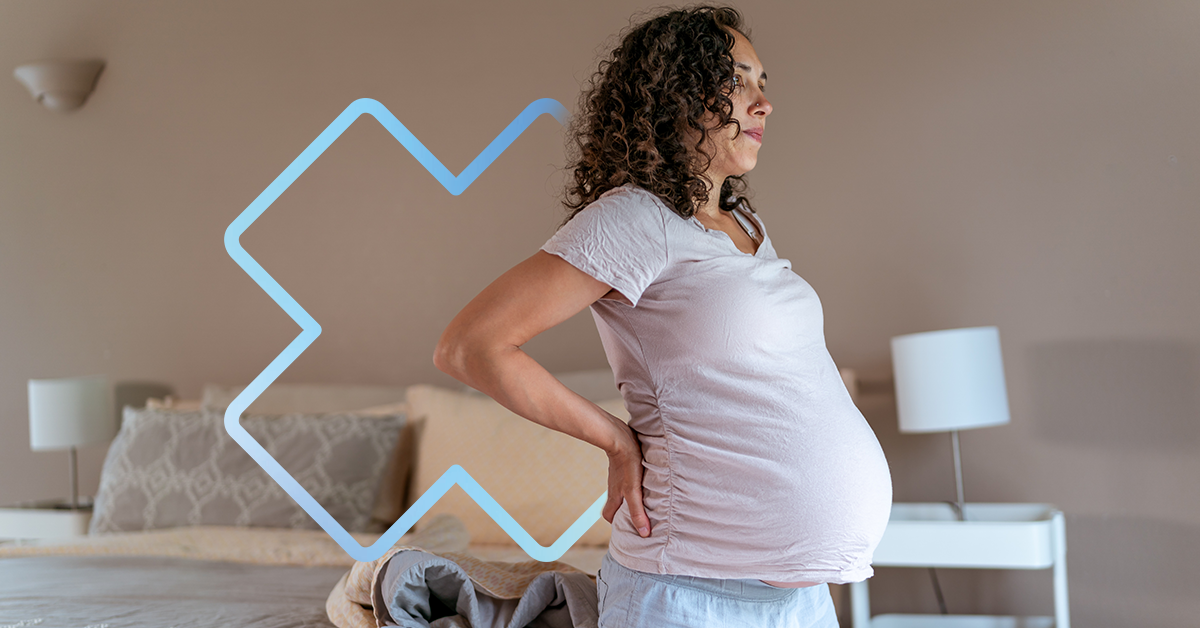
Why do we experience back pain during pregnancy?
Pregnancy leads to significant hormonal, mechanical, and muscular changes. It is essential to distinguish what is common from what can be relieved.
Relaxin and ligament laxity
Relaxin is a hormone present from the first weeks of pregnancy. It loosens the ligaments to prepare the body for childbirth. Although it is present in all pregnant women, it does not automatically cause pain.
However, this ligament laxity can reduce muscular control of the pelvic region and contribute to lower back pain and pelvic pain.
Postural changes
As the uterus grows, the center of gravity shifts forward. This increases the lumbar curve (lordosis) and the rounding of the upper back (kyphosis).
These changes:
- increase the load on lumbar structures,
- may irritate certain structures,
- weaken the abdominal wall.
Muscle imbalances
Hormonal and postural changes, along with weight gain, may lead to:
- overload of the lower back muscles,
- weakening of the abdominal muscles,
- weakening of the pelvic floor muscles.
More than 50% of pregnant women experience lower back or pelvic pain. Common? Yes. Inevitable? No.
Postures to adopt
Simple adjustments to your daily habits can make a real difference.
Standing: distribute your weight evenly on both legs and avoid shifting your hips to one side.
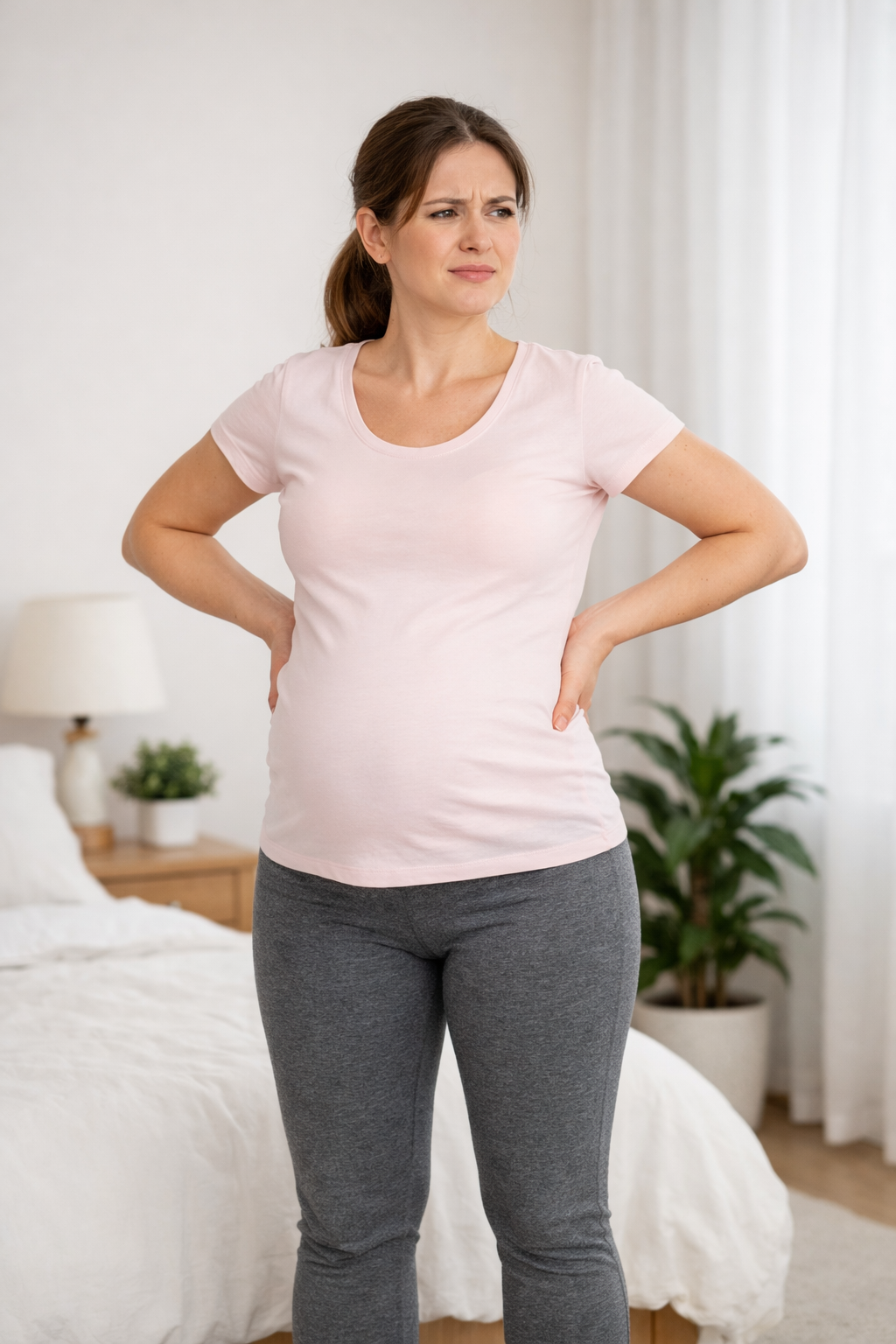
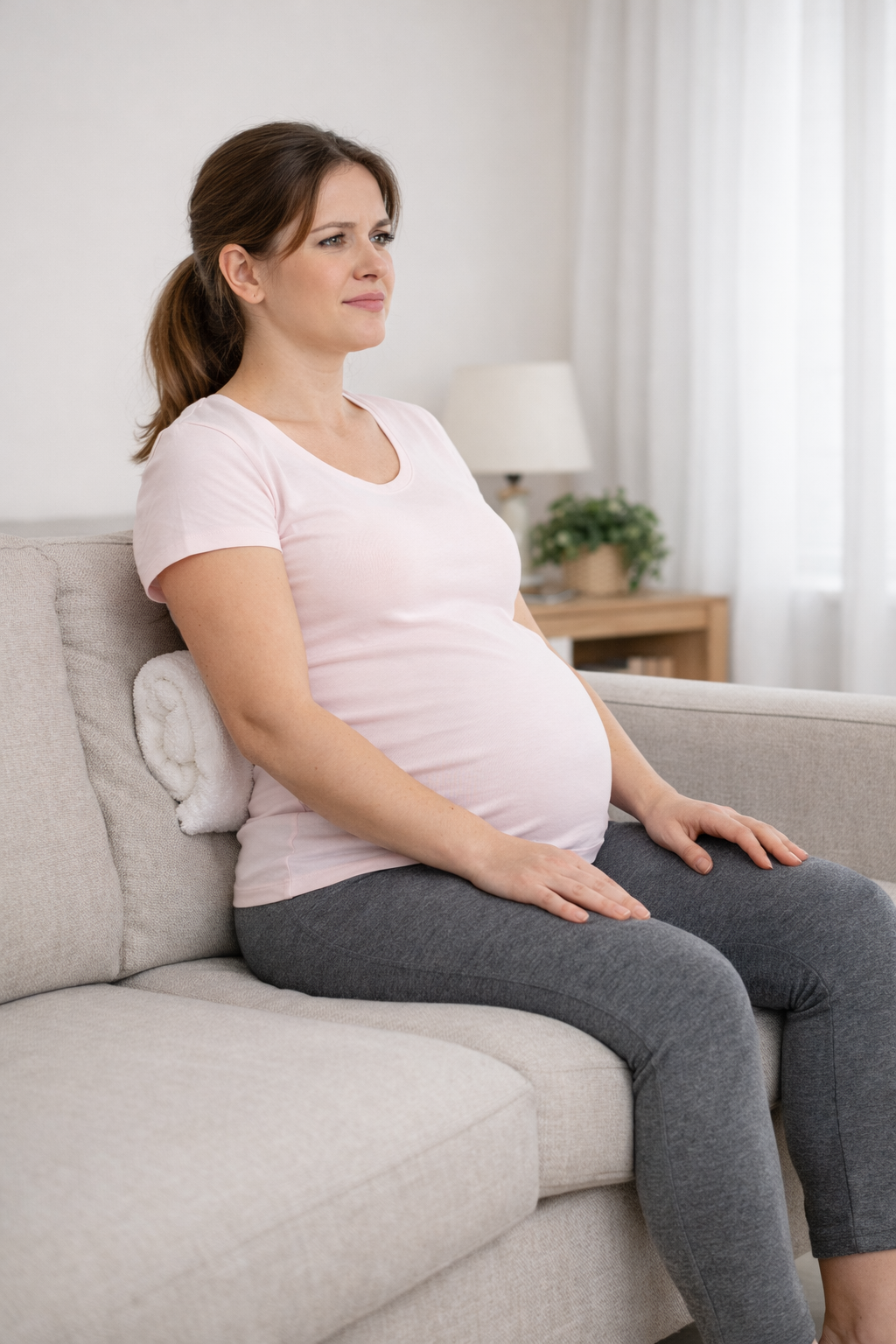
Sitting: use lumbar support (a roll or rolled towel) to support the natural curve of your lower back. Maintain an upright posture with your feet flat on the floor and your weight evenly distributed on both sitting bones.
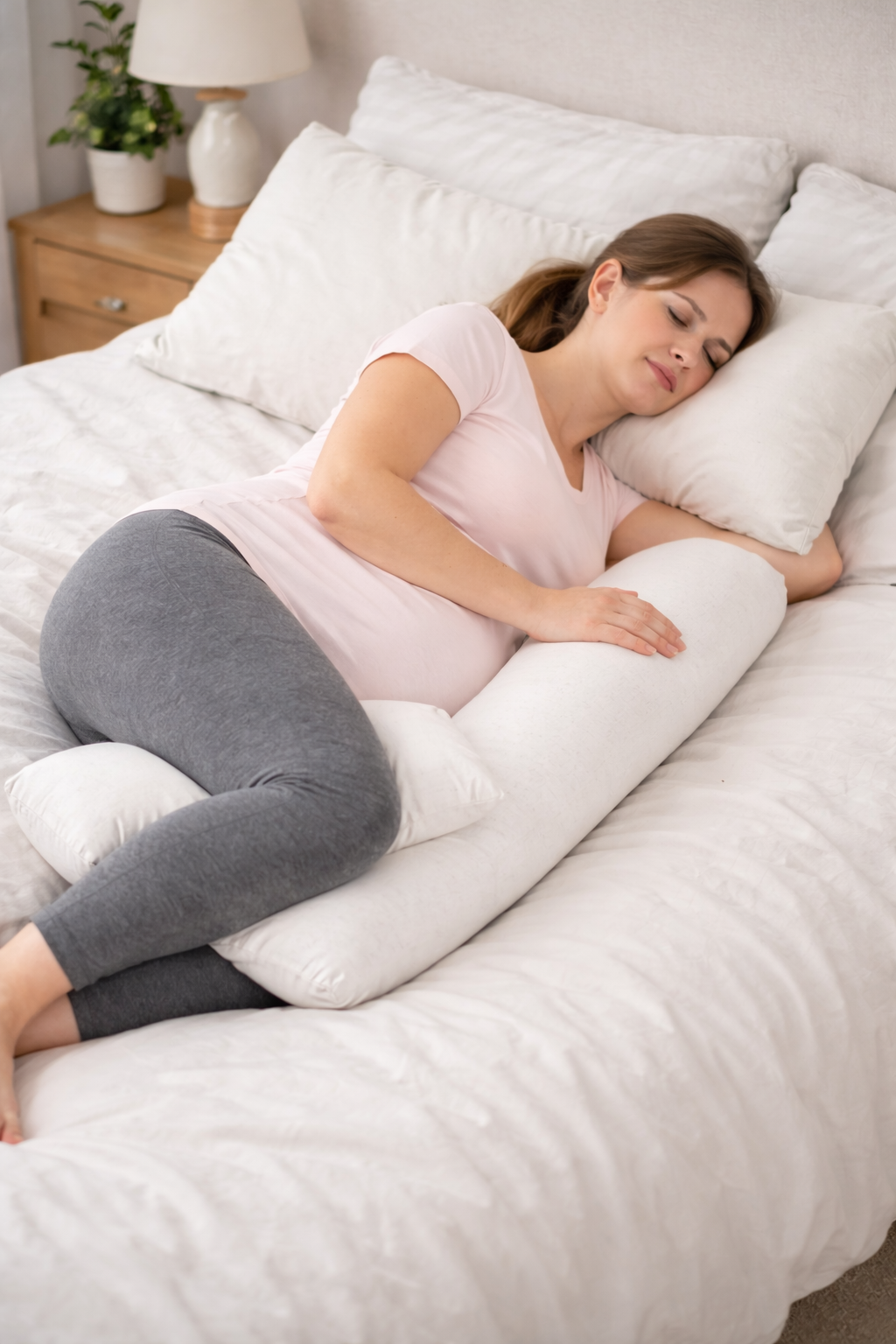
Sleeping position: favor lying on your side with a pillow placed between your knees and light support under your belly to reduce tension on the lower back and pelvic region.
Stairs: go up one step at a time to avoid large movement ranges, especially if you feel pain at the pubic symphysis.
Reaching objects overhead: move closer to the object to avoid bending forward.
Physical activity during pregnancy
Physical activity during pregnancy helps to:
- relieve back pain,
- improve sleep,
- support mental health,
- promote blood circulation,
- prepare the body for childbirth,
- reduce the risk of gestational diabetes and preeclampsia.
In the absence of medical contraindications, it is recommended to engage in 150 minutes of light to moderate physical activity per week, spread over at least 3 days.
Sports to avoid
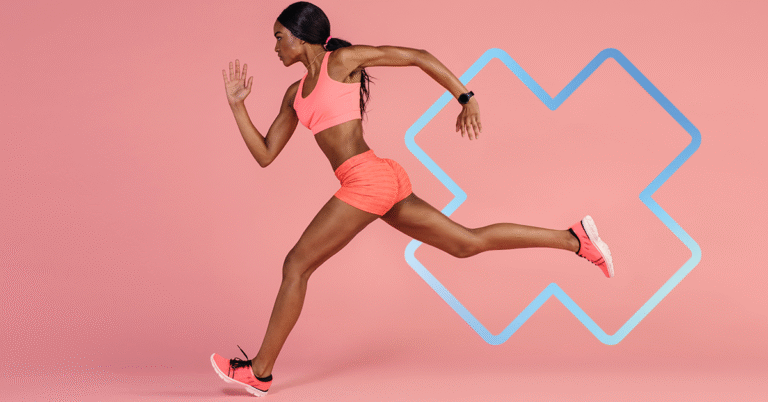
If you experience lower back pain, running may increase discomfort. In the absence of pain and pelvic floor symptoms (urinary leakage, feeling of vaginal heaviness, etc.), running during pregnancy is not necessarily contraindicated if you were already running before. Discuss this with your doctor.
If you experience sacroiliac pain, sports involving large leg movements and pelvic asymmetry (e.g., soccer) may cause irritation.
In general, avoid sports with a risk of collision or falling. The center of gravity shifts (especially in the third trimester) and balance decreases.
Recommended activities
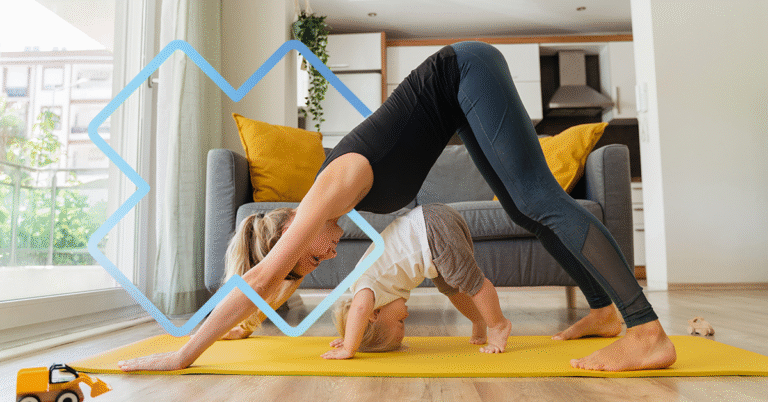
Swimming and water-based exercise are often appreciated, as water reduces the amount of weight your body must support. Prenatal classes (yoga, fitness, etc.) are also excellent options, as they engage stabilizing muscles and help reduce pain.
Goal: stay active and maintain your fitness, not beat your pre-pregnancy performance. Weight gain is normal; prioritize your health and your baby’s health.
Frequently asked questions
When does back pain start during pregnancy?
In the first trimester, pain is often associated with the first relaxin peak, which increases ligament laxity and requires greater muscular control.
In the second and third trimesters, pain is more related to postural changes and muscle imbalances.
When should you consult?
It is recommended to consult in physiotherapy when pain appears, limits your movement, or affects your daily life.
How can you relieve the pain?
Back and pelvic stretching exercises may help, along with exercises targeting stabilizing muscles: abdominals, pelvic floor, and diaphragm.
Is your pain affecting your daily life?
You are not doomed to endure back pain and discomfort during pregnancy. Postural adjustments, targeted exercises, and personalized guidance can provide real relief.
At PhysioExtra, our physiotherapists assess your needs, guide you toward pain-free movement, and help you safely strengthen your back and abdominal core. Consult our experts in pelvic and perineal rehabilitation, supporting women before and after childbirth.