Inner foot pain can make walking, running, and everyday activities uncomfortable. Whether it is caused by tendon overload, nerve irritation, a previous injury, or improper footwear, identifying the source of the pain is essential for recovery. Physiotherapy can help reduce symptoms, address contributing factors, and support a safe return to your regular activities.
Definition and symptoms
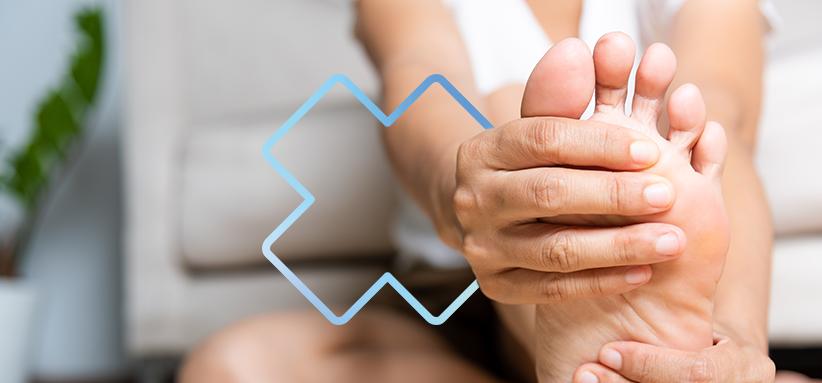
Inner foot pain is often intermittent and typically follows the inside of the ankle near the medial malleolus. It may be described as a pinching sensation, burning, aching, pulling, or sharp discomfort. The pain may originate from a distal branch of the tibial nerve, one of the joints in the hindfoot, or tendons located in this area.
This condition commonly affects athletes, individuals who spend long periods standing or walking, and those who have sustained previous injuries to the same lower limb.
The most common symptoms include:
- Pain localized on the inner side of the foot
- Tenderness to touch
- Localized swelling in some cases
- Pain during walking or running
- Discomfort when wearing certain shoes
- A feeling of stiffness or fatigue in the foot
- Numbness or tingling along the inner heel or sole of the foot
Symptoms may vary depending on the structure involved, the stage of healing, the individual's activity level, the type of footwear worn, and the length of time since symptoms began.
Why do I have pain on the inside of my foot?
Pain on the inside of the foot may be related to tendon overload, nerve irritation, previous injuries, or poorly adapted footwear. A thorough assessment can help identify the source of the symptoms and determine the most appropriate treatment approach.
YOU
KNOW?You do not need a medical referral to consult a physiotherapist. Physiotherapists are primary care professionals, which means you can book an appointment directly. If your condition requires medical attention, your physiotherapist will guide you to the appropriate healthcare professional.
How can you relieve inner foot pain?
Expert advice
Proper management of mechanical load is essential for recovery. It is important to temporarily reduce or modify activities that aggravate symptoms and to break up long periods of standing or walking with regular rest periods. Do not wait for the pain to become severe before taking a break. In some cases, using kinesiology tape or a more rigid taping method may help reduce discomfort.
Lifestyle habits can also promote recovery, such as incorporating an appropriate volume of exercise and maintaining good sleep hygiene.
Which professional should you consult?
Healthcare professionals often work together to optimize outcomes. If you are unsure where to start, we recommend consulting a physiotherapist first. They can assess your condition, determine the source of your inner foot pain, and recommend the treatments or healthcare professionals best suited to your needs.
You have questions? Call us today or contact our customer service team by email, and we will help guide you toward the right professional.
Physiotherapy
The physiotherapy service aims to identify the cause of the pain and address the problem at its source. Depending on your needs, a physiotherapist may provide personalized recommendations, prescribe exercises, perform manual therapy techniques, apply taping when appropriate, and refer you to other healthcare professionals if necessary.
Podiatry
The podiatry service evaluates foot biomechanics, arch alignment, and other contributing factors. Depending on the assessment findings, a podiatrist may recommend interventions that support optimal foot function.
Frequently asked questions (FAQ)
Why do I have pain on the inside of my foot?
Depending on the structure involved, pain may result from biomechanical overload, a rapid increase in physical activity, inadequate footwear, or compensations related to previous injuries.
Can my shoes cause pain on the inside of my foot?
Yes. Shoes that are too worn out, too tight, too flexible, or lacking proper support can contribute to the development of symptoms.
What can I do to relieve inner foot pain?
Depending on the cause, stretching, strengthening exercises, temporary taping, massage, heat, or neural mobility exercises may help reduce symptoms. A physiotherapy assessment is recommended to identify the source of the pain and determine the most appropriate treatment plan.
When should I seek professional help for inner foot pain?
If the pain has not significantly improved within two weeks, or if it appears suddenly without an identifiable cause, it is recommended to consult a physiotherapist.