A sport growing in popularity
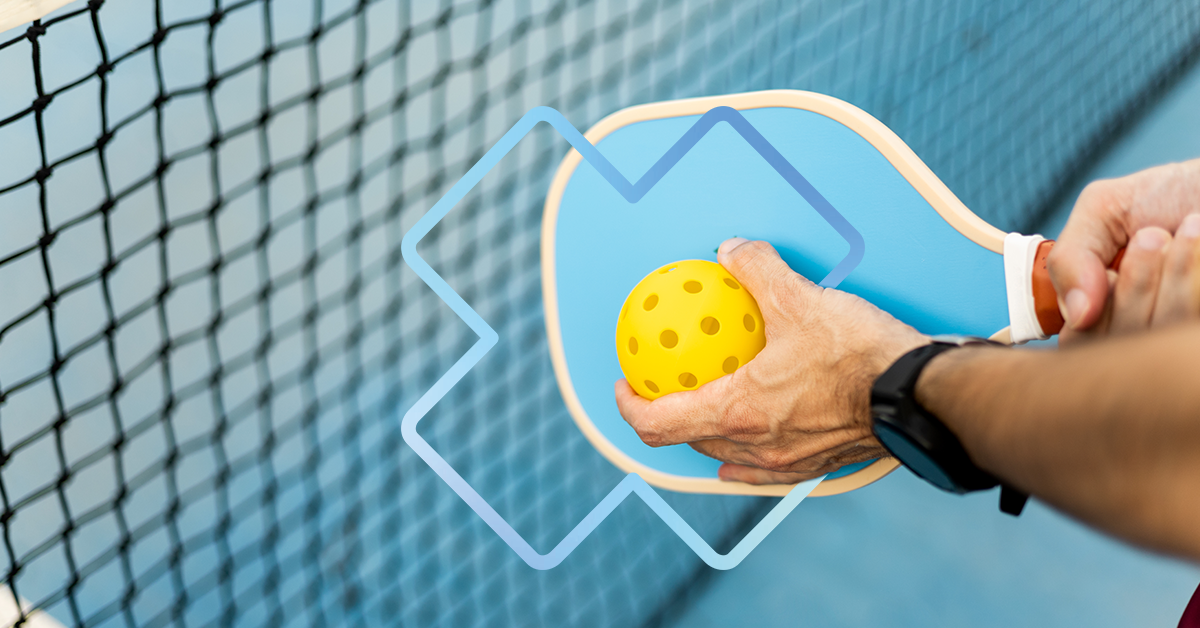
Although pickleball was invented in 1960 and introduced to Québec in 2008, its popularity has surged in recent years. This can be explained by its fun and accessible nature, the minimal equipment required, its relatively low cost, and the benefits associated with regular physical activity.
Pickleball also has an intergenerational appeal, as it brings together multiple generations around the same sport.
However, like any sport, pickleball is not without risk of injury. A 2025 study from Saint Louis University in the United States reported that 68.5% of respondents sustained an injury in the past year. Among them, 40.8% missed at least one pickleball session or another form of physical activity. In addition, one in three participants continued to play despite having pain or an injury.
In this article, we cover common pickleball injuries, ways to prevent them, and what to do in the event of new pain or injury.
Common pickleball injuries
According to the same study, the knee is the most frequently injured body region in pickleball, accounting for 29.1% of injuries. This is followed by the foot and ankle (26.9%), shoulder (22.2%), back (19.9%), and elbow (18.4%).
The most commonly observed injuries include:
- Tendinopathies, which affect a tendon and may be caused by repetitive movements, such as tennis elbow, or by trauma, for example following a fall.
- Sprains, particularly to the knee, ankle, or fingers, often caused by quick and less controlled movements.
- Muscle strains, pulls, or tears.
Lower back pain, also known as low back pain, is also common and may be related to rapid movements on the court or maintaining a bent position for prolonged periods. Contusions, commonly referred to as bruises, can also occur, as falls may happen during play.
How can you reduce the risk of injury?
Include proper warm-ups
An adequate warm-up helps activate the muscles and joints used during pickleball. It may include lateral movements, lunges or squats, trunk rotations, and racket-based movements. A proper warm-up should last about 5 to 10 minutes to prepare the entire body. Performing only a few serves does not constitute a complete warm-up.
Listen to your body
It is essential to pay attention to your body’s warning signs. Some discomfort can be normal during physical activity, but it should resolve within one to two hours after playing. When needed, adjusting the intensity of play or reducing session duration is recommended.
If pain increases or persists over several consecutive sessions, it is advisable to consult a physiotherapy professional. Early management usually requires less recovery time and allows for a quicker return to play.
Work on your technique and choose appropriate equipment
According to the SPIN project conducted in the United States, inadequate or inefficient technique is a predictive factor for pickleball injuries. Choosing a racket with a weight and grip size adapted to your hand is also important to reduce stress on the joints of the upper limb.
Include targeted strengthening
Targeted muscle strengthening is recommended, especially if certain areas of the body are weaker or more at risk of injury. Core muscles, including the abdominals and back muscles, as well as upper limb muscles, are particularly important due to the movements required in this sport.
A physiotherapy professional can help you develop a personalized exercise program focused on injury prevention.
Plan for recovery and rest periods
Allowing your body adequate rest is essential to reduce injury risk and support proper recovery between sessions. It is important to gradually increase the duration, intensity, and frequency of pickleball sessions and to take breaks during games when needed.
What to do in case of injury?
Following a new traumatic injury, the first step is not to panic. Your mindset directly influences pain perception and recovery speed, so staying positive is important.
If swelling is present, it is recommended to elevate the affected limb as often as possible so it remains higher than the heart. When possible, the use of anti-inflammatory medication should be avoided, as it may slow the long-term healing process and weaken tissues.
Related article: What to do in case of a sprain?
If pain is significant, for example if it interferes with sleep, prioritizing quality sleep is recommended, as it also influences pain perception. The use of anti-inflammatory medication should always be supervised by a physician or pharmacist.
It is also recommended to temporarily stop activities that increase pain during the first few days, without completely avoiding movement. As pain decreases, usually around the third day, pain-free cardiovascular activity can be resumed to promote blood flow to the injured area and support tissue healing.
Consult a physiotherapist
A physiotherapist can assess your condition, establish a treatment plan aligned with your goals, provide recommendations tailored to your situation, and teach you home exercises to support a safe return to play.