How does balance work?
Maintaining balance relies on the interaction of three main systems:
- the vestibular system, located in the inner ear
- the visual system
- proprioception, which refers to the perception of the position of muscles and joints in space
When these components function properly and the brain accurately interprets the information received, it sends the necessary commands to the muscles to maintain balance, both in static postures and during movement.
Possible causes of balance loss
Loss of balance may result from impairment in one or more of these systems.
- Vestibular disorders of viral, bacterial, traumatic or insidious origin, such as labyrinthitis, vertigo and dizziness
- Visuo-spatial conflict involving the interaction between vision and the vestibular system, sometimes worsened by stress and fatigue
- Central or cerebral conditions, such as stroke or concussion
- Musculoskeletal conditions, including stiffness or dysfunction of the neck, general muscle weakness or reduced balance reactions
Fatigue and stress can also intensify dizziness and balance problems, without the underlying condition necessarily having worsened.
The role of vestibular physiotherapy
When balance issues are present, whether recent or long standing, an evaluation by a trained professional is recommended. A physiotherapist with vestibular expertise can identify the cause of the imbalance and develop an appropriate treatment plan.
Vestibular rehabilitation is beneficial even when the issue does not originate solely from the vestibular system, but rather from a musculoskeletal condition. The body has a remarkable capacity to adapt, and it is possible to reduce discomfort and fall risk even when the original cause cannot be completely resolved.
When does a fall occur?
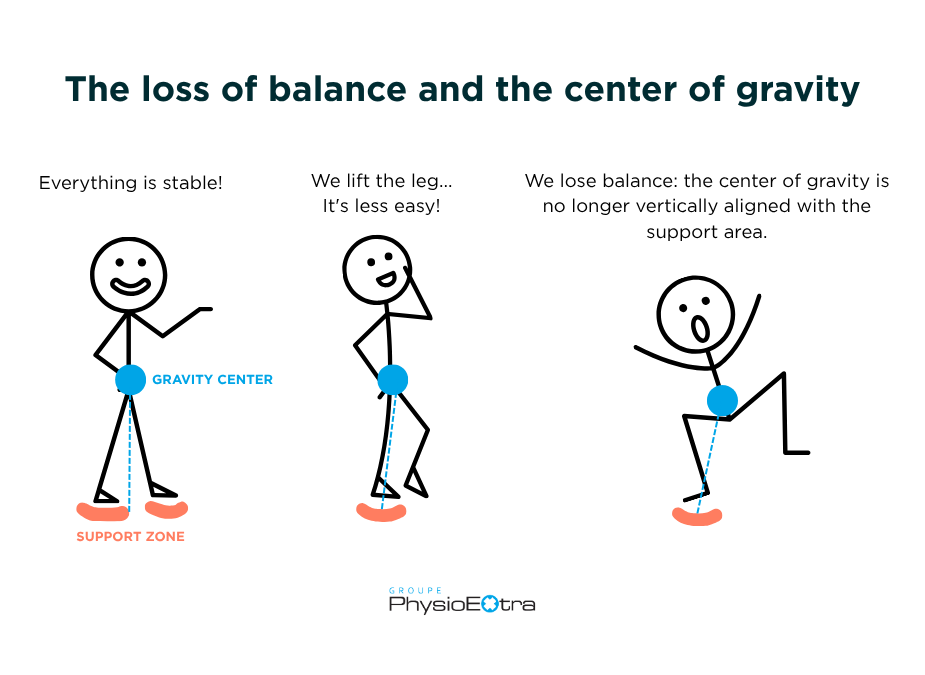
A fall occurs when the body’s centre of gravity moves beyond the base of support, which corresponds to foot positioning. Reflexive balance reactions are then triggered. These usually begin at the feet and ankles, followed by the hips, and finally the arms if needed.
When these reactions are insufficient, protective responses take place, such as taking a step or holding onto a support. When all of these mechanisms fail, a fall becomes inevitable.
Preventing falls in everyday life
The use of walking aids helps widen the base of support and provides a greater margin of safety during daily movements. Paying close attention to the environment is also essential, especially on slippery or uneven surfaces.
Balance and strengthening exercises can be performed at any age, unless otherwise advised by a healthcare professional. Although aging affects the different components of balance, these can be trained to help limit functional impacts.
What to do after a fall?
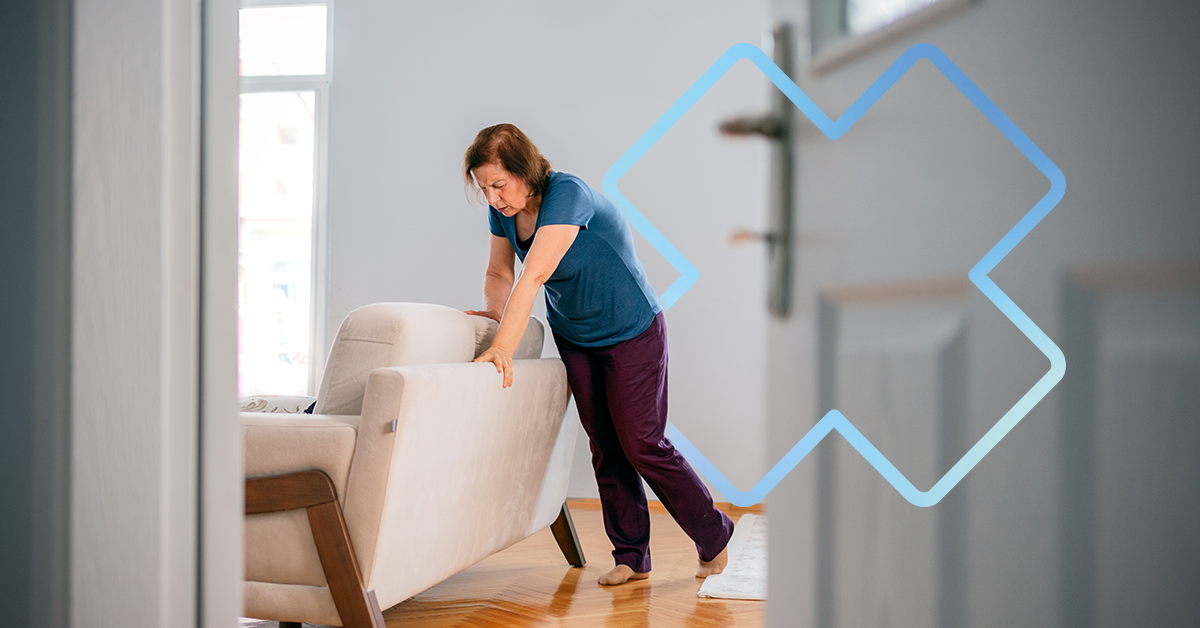
Even in a safe environment, a fall can still occur. It is important to know how to react and get up safely. To learn more, read our article how to get up after a fall.
Book an appointment with a physiotherapist with expertise in vestibular rehabilitation to assess your balance and reduce the risk of falls.