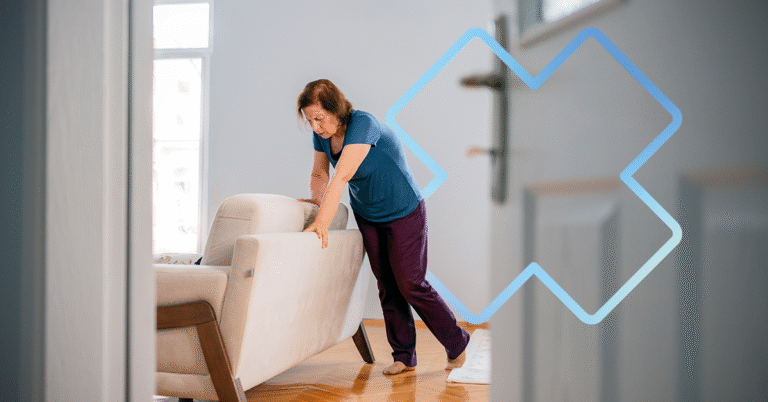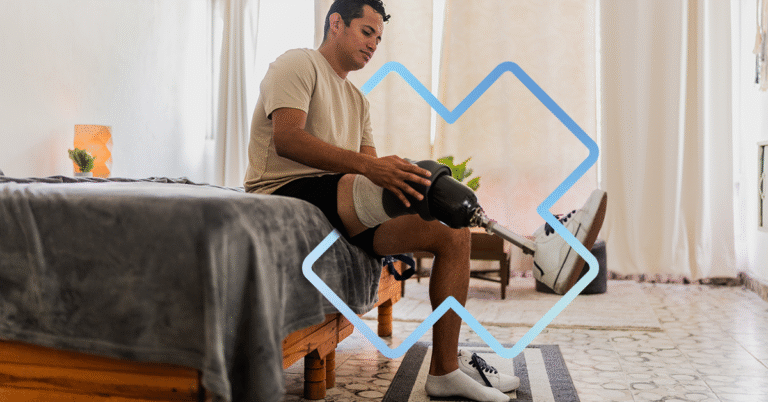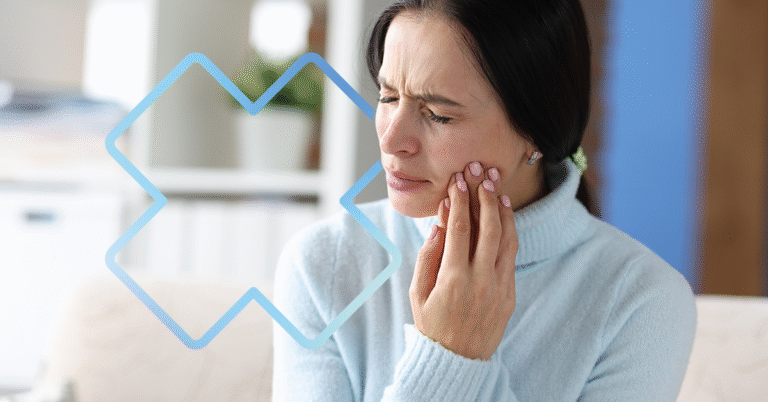
Understanding the role of pain
Pain acts as an essential alarm system for survival. It protects physical integrity by warning us of a potential or actual injury. It occurs when body tissue is injured but can also appear even before actual damage is present.
Although unpleasant, pain can be better managed to reduce its day-to-day impact and shorten its duration.
How to better manage pain
Pain is produced by a complex interaction involving several regions of the brain, in addition to peripheral nerves. For this reason, many factors other than physical ones can influence its intensity.
Elements such as job dissatisfaction, relationship conflicts, physical deconditioning, a nutrient-poor diet, lack of sleep, or low mood can all increase pain. To learn more, read our article on persistent pain.
By identifying the factors that influence your pain, it becomes possible to target the most appropriate actions for your situation.
Medication-based treatments
Depending on the situation, different medications may be considered to relieve pain or reduce associated causes such as muscle tension or stress. It is important to discuss this with a pharmacist or physician before starting any new medication.
Non-medication therapies and strategies
- Massage therapy and self-massage (e.g., with a ball)
- Application of ice or heat (temporary)
- Stretching exercises and adapted physical activity (e.g., the inflection point)
- Guided breathing, relaxation, and meditation
- Support in mental health
Being too inactive can contribute to increased pain, just as doing too much activity can also increase pain. Consult a physiotherapist to discuss what is best for your specific situation.
Medical interventions
In certain refractory or atypical situations, medical interventions such as injections may be considered. These options must always be assessed by a health professional.
Fear of movement
Fear of movement (kinesiophobia) can lead to excessive inactivity, increased emotional stress, decreased strength, and social isolation. All of these factors can contribute to increased pain. Our health professionals can help you reduce the fear of movement and safely return to activity. Read our article on regaining confidence after a work-related accident.
Preventing back pain
Depending on the situation, here are a few tips to help prevent low back pain*.
Lifting heavy objects
Lifting an object that is too heavy, without proper positioning or while holding your breath, can increase the risk of back pain and injury.
Tips:
- Lift within your capabilities
- Ask for help
- Keep objects close to your body from start to finish
- Bend your knees and use the strength of your legs
- Exhale during effort rather than holding your breath
- Pivot your feet instead of twisting your torso
Sitting position
Using a poorly adjusted chair, lacking back support, or sitting for too long can increase the risk of back pain.
Tips:
- Adjust your chair and workstation
- Stand up every 20 to 30 minutes - even with good ergonomics, it’s important to move!
Standing position
Standing for long periods can increase the risk of low back pain.
Tip: Place one foot on a small stool or box and alternate regularly.
Driving
Driving for long periods without breaks can cause back pain.
Tip: Adjust your seat and take regular breaks to walk for a few minutes (read our article on the topic).
Daily activities
Yes—being inactive or avoiding physical activity increases the risk of pain.
Tips:
- Include physical activity such as walking or cycling for 20 to 30 minutes per day.
- Find an enjoyable activity, or add a podcast or audiobook to increase motivation.
Sleep
Sleeping on a mattress that is too soft or not well suited can increase the risk of low back issues.
Tip: Choose a mattress and pillows that provide good support for your back and neck (discover our tips on the topic).
For personalized advice tailored to your condition, book an appointment with one of our health professionals to receive targeted and safe support.
*These tips are adapted from the Back Guide by the Centre d’action en prévention et réadaptation de l’incapacité au travail.