The rise of statistics in sports
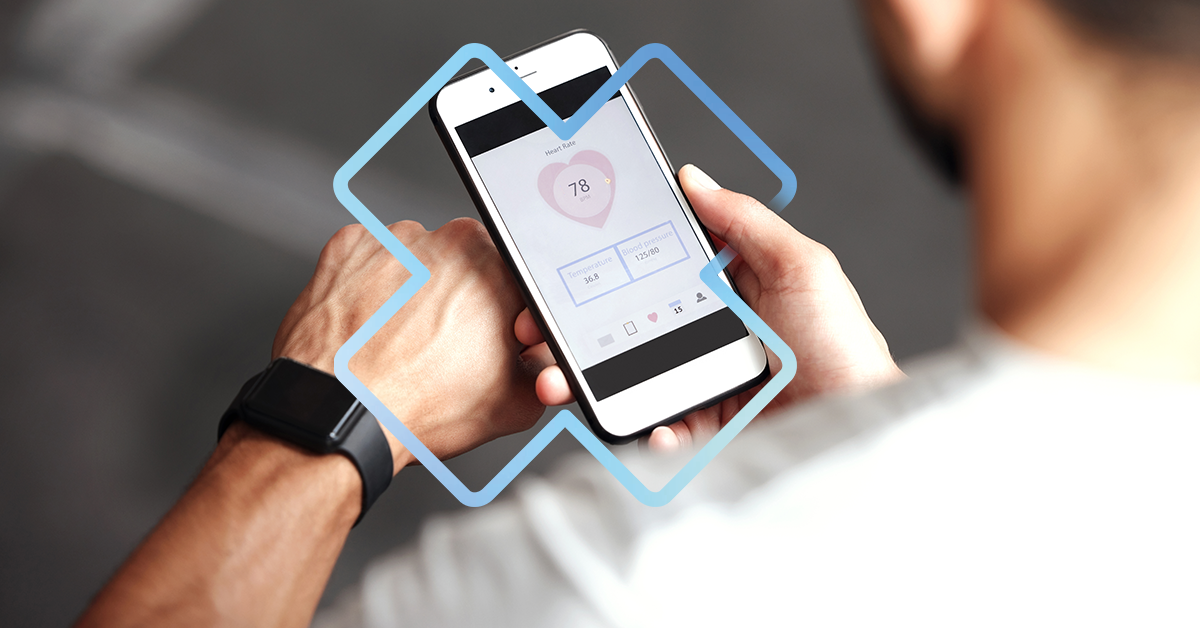
Over the past few years, the use of technology in sports has grown significantly. Platforms such as Strava, Garmin and smartwatches now allow users to track a wide range of data, including time, distance, heart rate and calories burned, while also comparing their performance with that of others.
Originally, these tools were designed with a positive and supportive purpose, helping to boost motivation, encourage progress and promote healthy lifestyle habits. Some studies have even shown that they can increase physical activity levels by providing tangible feedback on progress and reinforcing commitment (Evgenieva, 2024).
Performance tracking has now become a central part of the athletic experience. For many people, it helps structure training, set goals, recognize improvements and maintain a sense of competence.
When motivation turns into pressure
However, this relationship with data is not always healthy or balanced. As metrics become more important, they can also become a source of performance-related pressure.
Some people find themselves constantly monitoring their performance, continually striving to improve their athletic statistics or setting goals that are sometimes rigid and demanding. Training can then become a race for performance, where every workout must be better than the last.
When that is not the case, which is completely normal, it can lead to frustration, feelings of failure or pressure to perform. Studies show that these tools can trigger negative emotions such as guilt, disappointment and demotivation when goals are perceived as too demanding or are not achieved (Bondaronek et al., 2025).
In this context, the original motivation based on enjoyment and well-being may gradually be replaced by a sense of obligation. Training then becomes driven more by numbers than by the body's actual needs.
In addition, some research suggests that the use of apps like Strava is associated, for certain users, with increased stress and pressure, particularly during periods of declining performance or stagnation (Kolnes & Øvretveit, 2026).
Over time, this constant focus on results can also interfere with listening to bodily signals. Fatigue, pain and the need for rest may be overlooked in favour of athletic data.
Social comparison and its impact on self-esteem
Sports platforms also have a strong social component. Activity sharing, leaderboards and public visibility of results encourage comparisons between users.
While this can be motivating for some individuals, these comparisons can also undermine self-esteem. Comparing yourself to friends, strangers or more experienced athletes can create feelings of inadequacy or negatively influence how you perceive your own abilities.
Research shows that these comparisons can increase performance pressure for some people (Kolnes & Øvretveit, 2026). Yet confidence in one's abilities plays a key role in both well-being and athletic performance (Lochbaum et al., 2022). When confidence is weakened, engagement and enjoyment in sport can be affected.
Potential consequences for overall health
Over time, this performance and data-driven pressure can have repercussions on overall health.
Possible effects include:
- increased stress and guilt when goals are not achieved;
- a tendency toward overtraining in order to improve results;
- reduced enjoyment of sports participation.
Some studies also suggest an association between intensive use of platforms such as Strava, increased performance anxiety and a greater risk of injury (Cashin, 2025).
Although these technologies provide precise monitoring, they can also encourage an excessive focus on data and performance at the expense of listening to the body and allowing adequate recovery (Canali et al., 2023).
Read also: Running too much, too fast? A single workout may be enough to cause an injury.
Building a healthier relationship with performance
Given these realities, it is worth reflecting on the role that data plays in sports participation.
Redefine your goals
A first step is to redefine your goals by placing greater value on intrinsic motivations such as enjoyment, well-being and personal accomplishment, rather than focusing exclusively on results.
According to self-determination theory, this type of motivation promotes more sustainable engagement and better psychological well-being (Ryan & Deci, 2000).
Use data as a guide
It can also be helpful to view data as a guide rather than a judgment of training quality. Metrics can provide direction without defining the value of a workout or of a person.
Seek support when needed
Finally, psychoeducational support can help foster a more balanced relationship with performance by encouraging self-awareness, realistic expectations and the preservation of enjoyment in movement.
A question of balance
Sports statistics are neither good nor bad in themselves. What matters is the relationship we have with them. If performance pressure, loss of motivation or stress related to results is affecting you, support through psychoeducation can help you regain balance and long-term enjoyment in sport. At PhysioExtra, our mental health professionals are here to help.
References
- Bondaronek, P., Sheen, F., Porter, L., Papakonstantinou, T., & Ceka, M. (2025). Living well? The unintended consequences of highly popular commercial fitness apps through social listening using Machine-Assisted Topic Analysis: Evidence from X. British Journal of Health Psychology. (link)
- Canali, S., De Marchi, B., & Aliverti, A. (2023). Wearable technologies and stress: Toward an ethically grounded approach. International Journal of Environmental Research and Public Health, 20(18), 6737. (link)
- Cashin, D. J. (2025). No pain no gain: The associations of competitiveness, self-efficacy, and social support on the mental and physical health of Strava users. University of Massachusetts Dartmouth Repository. (link)
- Evgenieva, A.-M. (2024). Strava – Social media or health app? Empirical study report. HAL Open Science. (link)
- Kolnes, M. R., & Øvretveit, K. (2026). A mixed-methods analysis of motivational dynamics and Strava use in active club runners. Behavioral Sciences, 16(2), 224. (link)
- Lochbaum, M., Sherburn, M., Sisneros, C., Cooper, S., Lane, A. M., & Terry, P. C. (2022). Revisiting the self-confidence and sport performance relationship: A systematic review with meta-analysis. International Journal of Environmental Research and Public Health, 19(11), 6381. (