Heel pain can develop under the heel, at the back of the heel, or at the beginning of the arch of the foot. It can interfere with walking, running, and activities that require prolonged standing. Depending on the cause, heel pain may be related to overuse, inappropriate footwear, plantar fasciitis, or other structures in the foot. Understanding the source of the pain is the first step toward effective recovery.
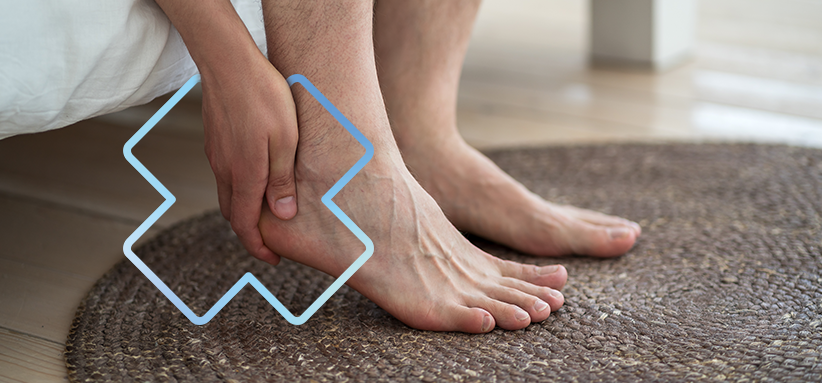
Definition and symptoms of heel pain
Location of the pain
Heel pain most commonly occurs directly:
- Under the heel;
- At the back of the heel near the Achilles tendon;
- At the front of the heel, at the beginning of the arch of the foot.
The structures most frequently involved include the heel fat pad, the Achilles tendon, the sural nerve, the tibial nerve, the plantar fascia, and the posterior tibial tendon.
Types of pain
The pain may be felt as pressure, a sharp sensation, burning, or a pins-and-needles sensation.
Who is most affected?
Heel pain mainly affects workers who spend long periods standing, people with a higher body weight, individuals who repeatedly carry heavy loads, and athletes who participate in impact sports involving jumping, running, pivoting, and rapid directional changes.
Main symptoms
Common symptoms may include:
- Pain under the heel;
- Pain at the back of the heel;
- More intense pain upon waking or after a period of rest;
- Pain when walking or running;
- Tenderness to pressure or touch.
Symptoms vary depending on the cause of the pain, the time of day, physical activity, and other contributing factors.
Why does my heel hurt?
Heel pain may be related to mechanical overload. For example, it can occur when a person carries loads that are too heavy, starts a new activity without progressing gradually, or switches to a significantly different type of footwear.
It may also be associated with inflammation following a direct impact, unsuitable footwear, or compensations caused by stiffness in another joint of the leg, such as the knee, hip, or foot.
Common diagnoses
- Posterior tibial tendinopathy;
- Fat pad syndrome;
- Achilles tendinopathy;
- Achilles tendon rupture;
- Myofascial trigger points;
- Plantar fasciitis;
- A heel spur diagnosis may also be given, although it is rarely the actual source of the pain.
Risk factors
- Rapid increases in activity levels;
- Prolonged standing at work;
- Footwear type;
- Biomechanical imbalances;
- A history of foot or ankle pain.
Aggravating factors include prolonged walking, running or impact sports, extended periods of standing still, and wearing inappropriate footwear.
How can I relieve heel pain?
Expert advice
Be sure to respect your pain levels. It is preferable to temporarily avoid impact activities and high-intensity exercise. Make sure your footwear is comfortable and take enough seated breaks throughout the day to allow your heel to recover.
Which healthcare professional should you consult?
Healthcare professionals often work together to maximize outcomes. If you are unsure where to start, we recommend consulting a physiotherapist first. They can assess your needs and recommend the most appropriate treatment plan for your heel pain. If needed, they will refer you to other professionals to help optimize your rehabilitation.
Have questions? Call us today or contact our customer service team by email. Our team will help guide you to the right professional for your needs.
Physiotherapy
Physiotherapy aims to identify the cause of pain in order to treat the problem at its source. Depending on your needs, a physiotherapist can provide personalized recommendations, prescribe tailored exercises, perform manual therapy techniques, and refer you to other healthcare professionals when needed.
Podiatry
Podiatry is a healthcare profession specializing in the assessment, treatment, and prevention of foot and ankle conditions, such as plantar fasciitis, tendinitis, and neuromas. Podiatrists prioritize conservative approaches tailored to your condition, including custom orthotics, injections, and other non-invasive treatments aimed at reducing pain and improving mobility.
Frequently asked questions (FAQ)
When should I consult for heel pain?
In general, if the pain does not improve after 10 to 14 days, it is recommended to consult a healthcare professional to prevent the condition from worsening and requiring a longer recovery period.
Why is my heel pain worse in the morning?
Prolonged immobility can sometimes lead to stiffness that is felt during the first steps of the day. Pain related to inflammation may also be more noticeable in the morning because of the body’s metabolic activity and the immobility associated with sleep.
What insoles or shoes can help with heel pain?
Since several diagnoses can explain heel pain, there is no single answer to this question. The most appropriate footwear or insole will depend on the underlying cause of the pain.
How long can heel pain last?
Heel pain may last only a few days in cases of irritation, or several months in cases of fat pad syndrome or persistent plantar fasciitis. Early management can usually help prevent pain from lasting beyond the normal healing period.