We will not discuss the different types or brands of strollers, car seats, or baby beds here, as these choices vary depending on each family’s lifestyle. Instead, we focus on accessories that can support (or hinder) healthy motor development. For recommended toys, see our related article.
@physio.extra Tapis d'éveil, siège sauteur, snuggle me, soucoupe... Oui ou non !? 🫨 👶 Devant la multitude d’accessoires disponibles sur le marché pour son bébé, il peut toutefois être difficile de s’y retrouver. 🫣 Du point de vue de la physiothérapie pédiatrique, certains produits soutiennent le développement moteur, alors que d’autres sont inutiles ou même déconseillés. ❌❎ Pour en savoir plus sur le sujet, consultez notre article de blogue - lien en bio. Et venez-nous voir en clinique avec bébé au besoin ! 💙
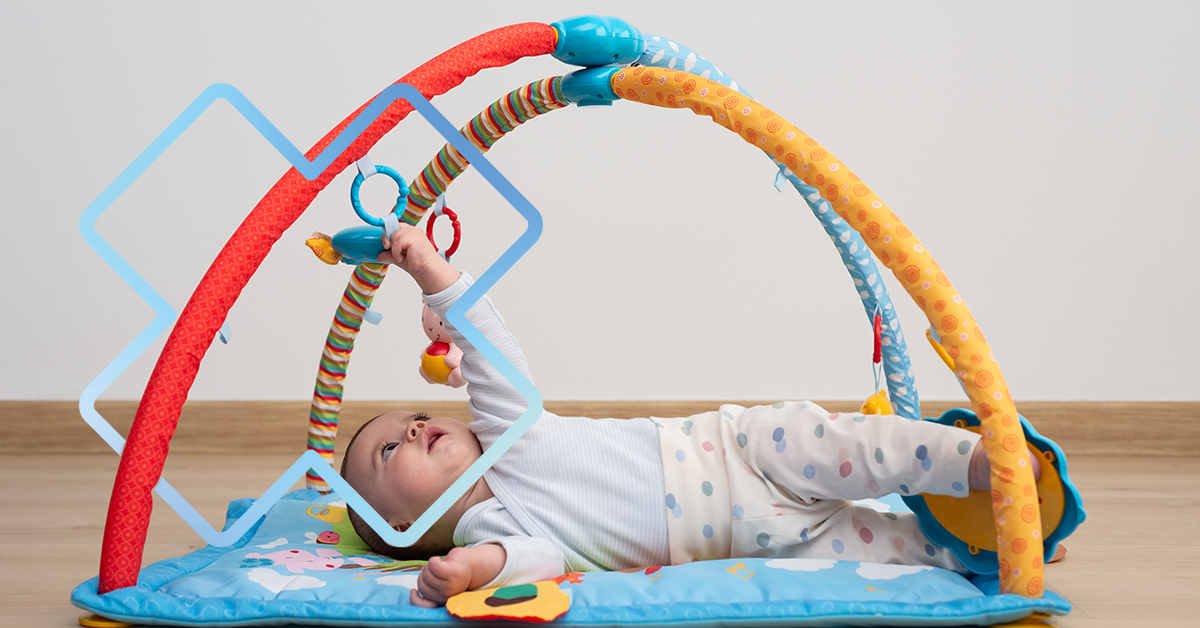
Baby play mat or activity mat: recommended

The play mat is a very useful accessory starting in the first month of life. It supports sensory stimulation, exploration of the environment, and acceptance of both back-lying and tummy positions.
Motor development: It allows the baby to be placed on the floor in a safe environment. This gives the baby the opportunity to work against gravity, strengthen muscles, and develop motor skills through free movement. It also helps parents place their baby on the floor while keeping their hands free.
Safety: The play mat is generally very safe, as long as it is placed directly on the floor and the baby is always supervised.
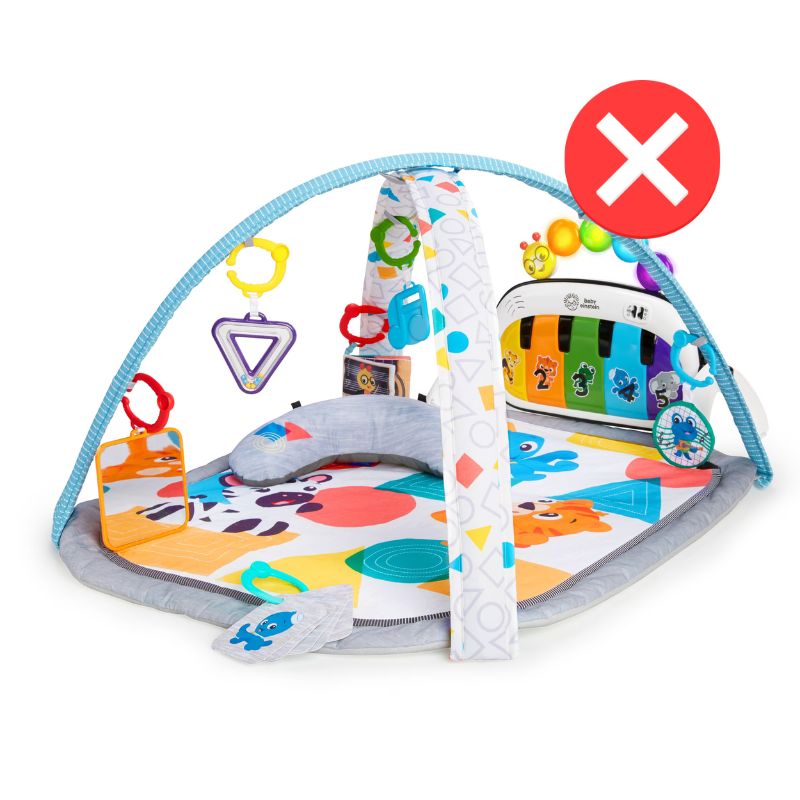
Important! Mats with a piano or foot barrier are not recommended, as they promote excessive back extension and limit abdominal muscle activation.
YOU
KNOW?The floor is the best place to promote healthy motor development in babies.
Foam puzzle mat: recommended

Affordable, easy to clean, and simple to move, this type of mat is suitable from the first months of life until the child becomes independently mobile.
Up to around 4 months of age, a blanket can be added. After that, it should be avoided, as it may restrict movement, especially in the prone position.
The benefits for motor development and safety are the same as those of an activity mat.
Bouncer seat or swing: non-essential
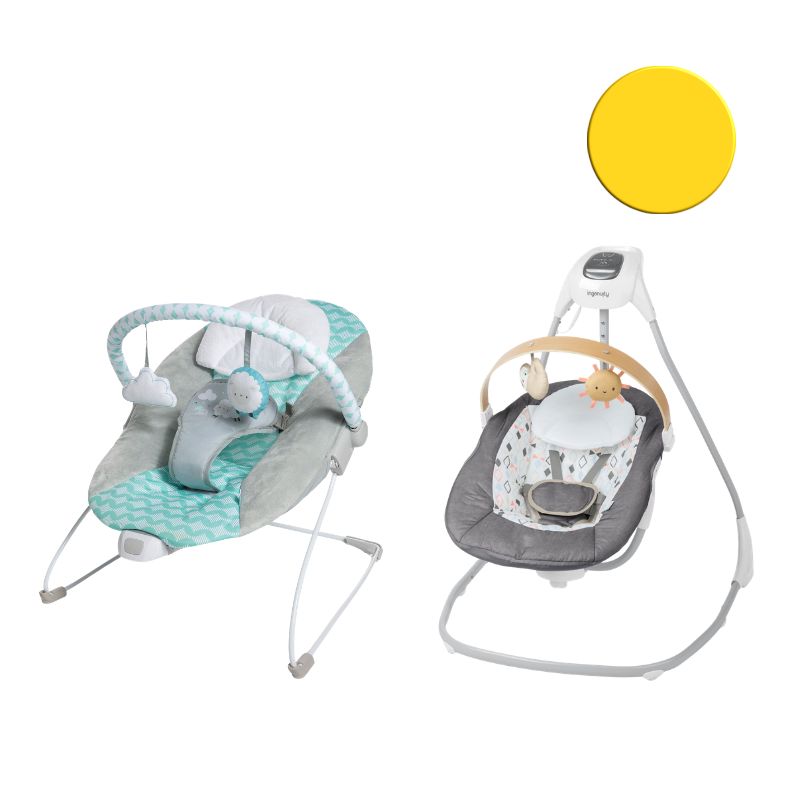
These accessories can be helpful in small doses to soothe the baby or allow parents to have their hands free. However, the baby should not be placed in them for more than 15 to 30 minutes at a time. The floor should always be prioritized.
Motor development: Movement is passive and very limited. These accessories do not promote motor development and are not recommended from a physiotherapy perspective.
Important! For babies with plagiocephaly or brachycephaly, use should be minimal, as the back of the head rests directly against the surface.
Safety: Although manufacturers often recommend use up to 11 months, physiotherapy guidelines limit use to around 5–6 months, when the baby becomes more mobile and fall risk increases. Constant supervision is essential.
Tummy time pillow: avoid, except in specific cases
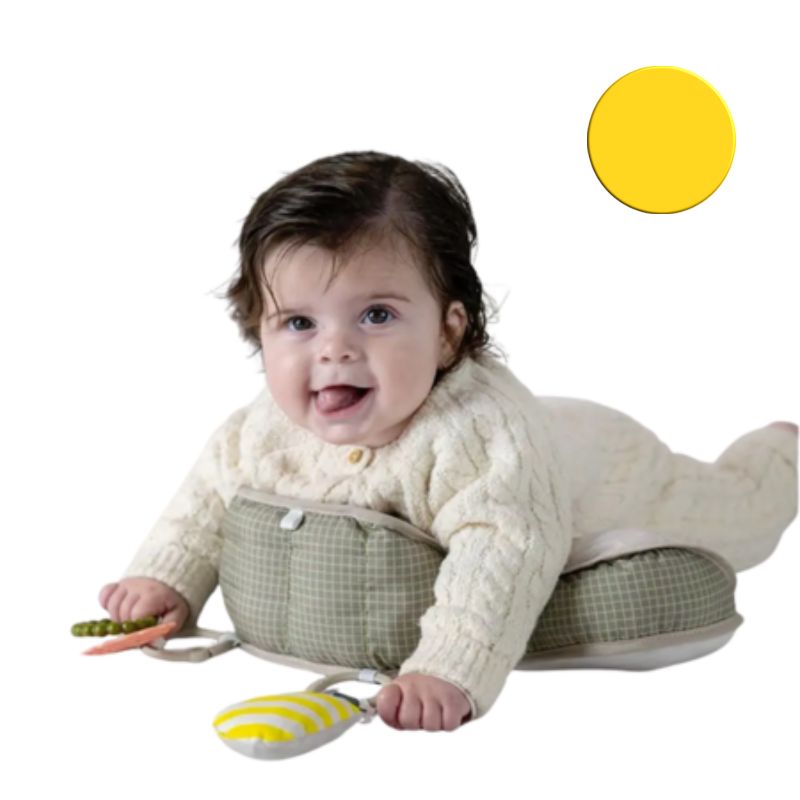
A baby who tolerates tummy time well does not need a pillow. However, it may be helpful for some babies who have difficulty staying on their stomach.
The pillow positions the baby at a slight incline, reducing the effect of gravity and increasing tolerance to the prone position.
Important! The type of pillow matters, as not all designs provide adequate support.
Best options: low or triangular pillows
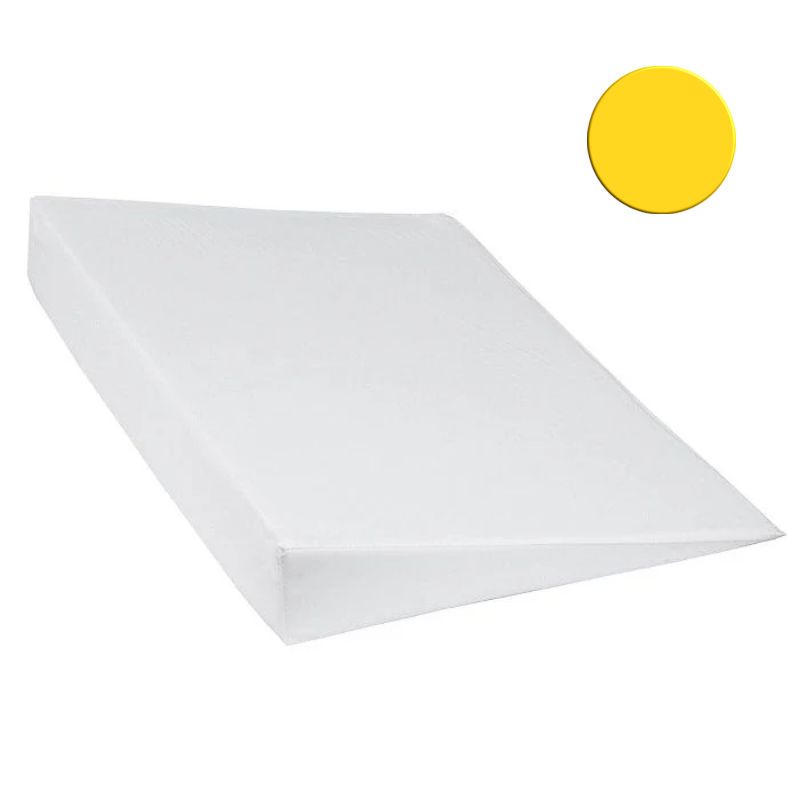
A triangular pillow or a low-profile pillow allows proper elbow support on the floor, which is essential for strengthening the trunk and shoulders.
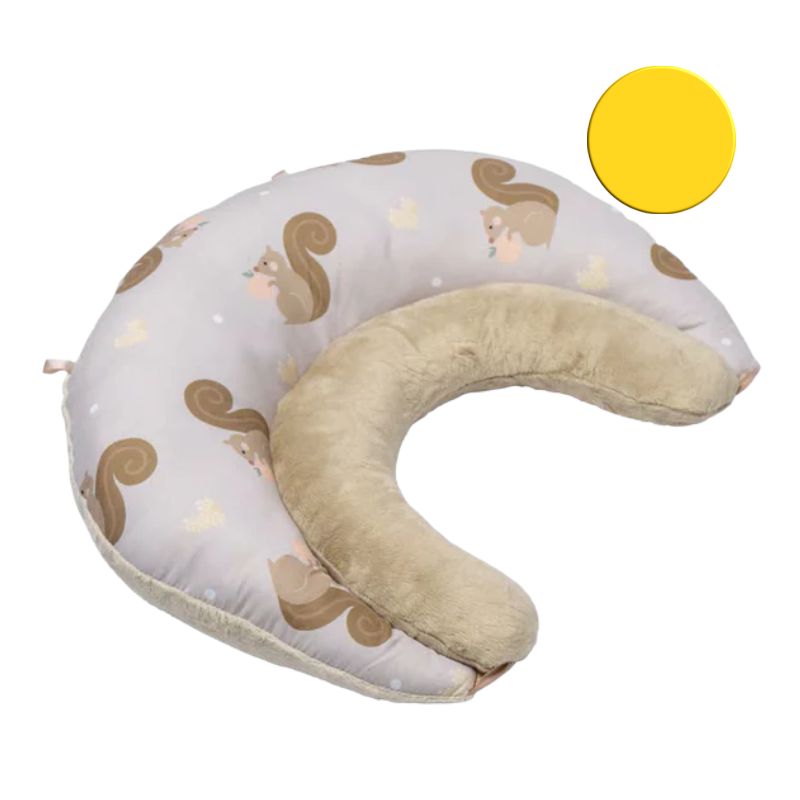
Overly high pillows should be avoided, as they promote excessive back extension and limit active motor work.
If your baby tolerates tummy time for less than 5 minutes at a time, regardless of age, a consultation in pediatric physiotherapy is recommended.
Side-lying positioning pillow: recommended in specific cases only
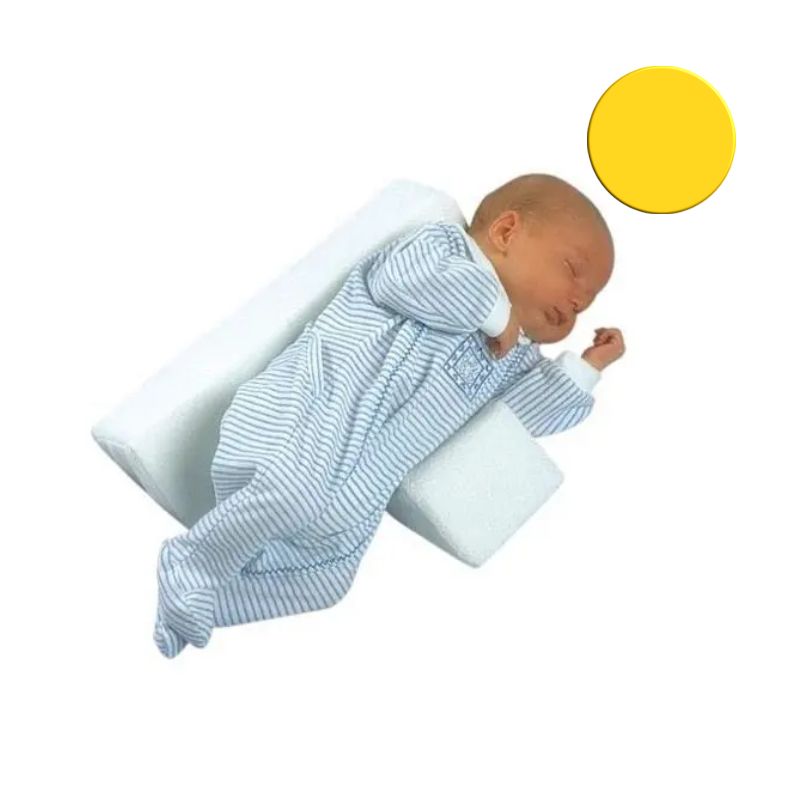
This pillow is intended only for babies with plagiocephaly or brachycephaly and should be used only after an assessment in physiotherapy.
Motor development: Its sole purpose is to reduce pressure on specific areas of the head. It does not promote motor development.
Safety: This pillow should never be used without supervision or during nighttime sleep.
Bumbo-style seat: non-essential
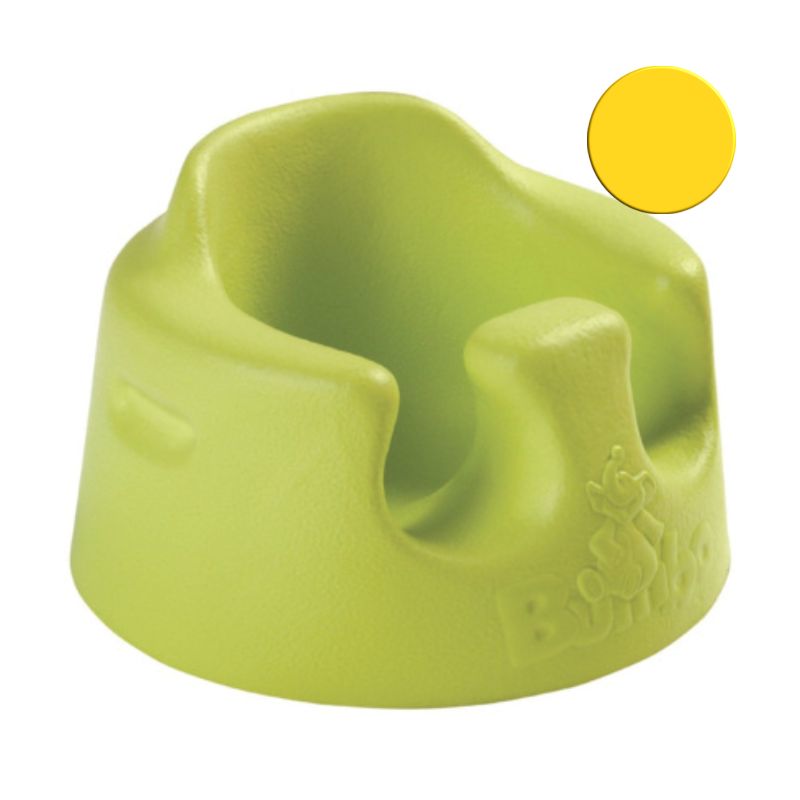
According to manufacturers, this seat is recommended from 3 to 12 months. In physiotherapy, use is generally limited to 3–6 months, from when the baby has good head control until they want to explore more actively.
Why limit use? Around 6 months, babies become more mobile and the risk of falls increases when reaching for objects. At this stage, they also begin to develop independent sitting and no longer need external support.
Motor development: The seat allows brief exposure to sitting and can give parents a break. It may be useful in small doses, especially in cases of plagiocephaly, since the head is not supported. However, it never replaces floor play and does not promote active learning of sitting.
Safety: The seat must always be placed on the floor, on a flat surface, with constant supervision. It should never be used on a table, bed, couch, in the bath, or as a car seat. The safety strap must always be used.
Sit-me-up seat: non-essential
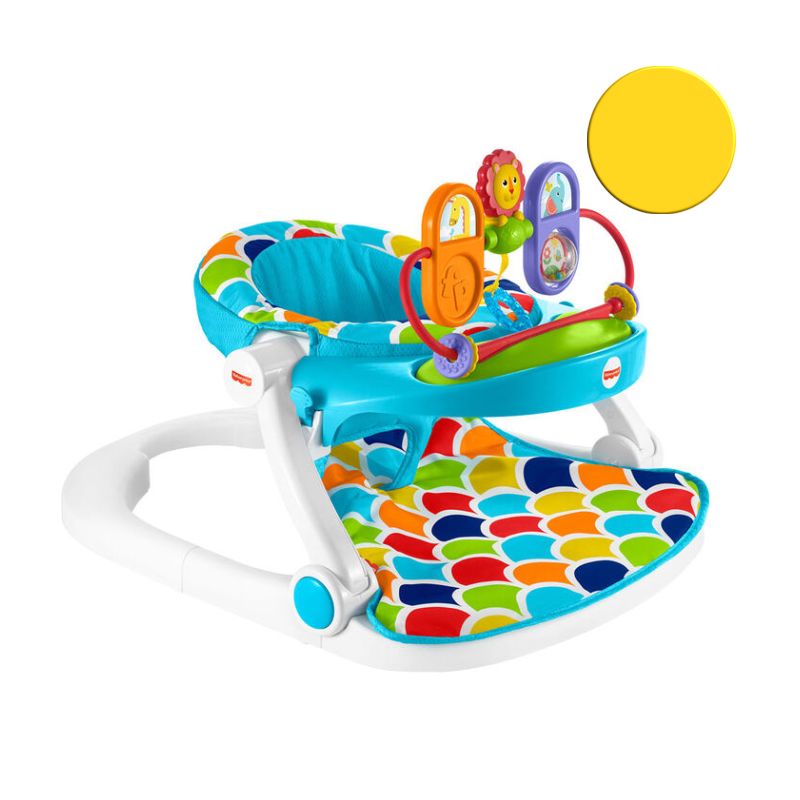
This type of seat does not support optimal motor development. While seated, the baby cannot move freely or work against gravity as they would on the floor.
It may be used for short periods when the baby is tired or when the caregiver’s hands are busy, as long as the baby spends most of the day on the floor.
Motor development: Everything is facilitated in this seat. The baby makes minimal effort to maintain posture, limiting muscle strengthening, even though arm lifting against gravity is possible.
Safety: Like other seats, it must be used only on the floor, on a stable surface, and under constant supervision.
Snuggle Me or Sleep Tight-style loungers: avoid
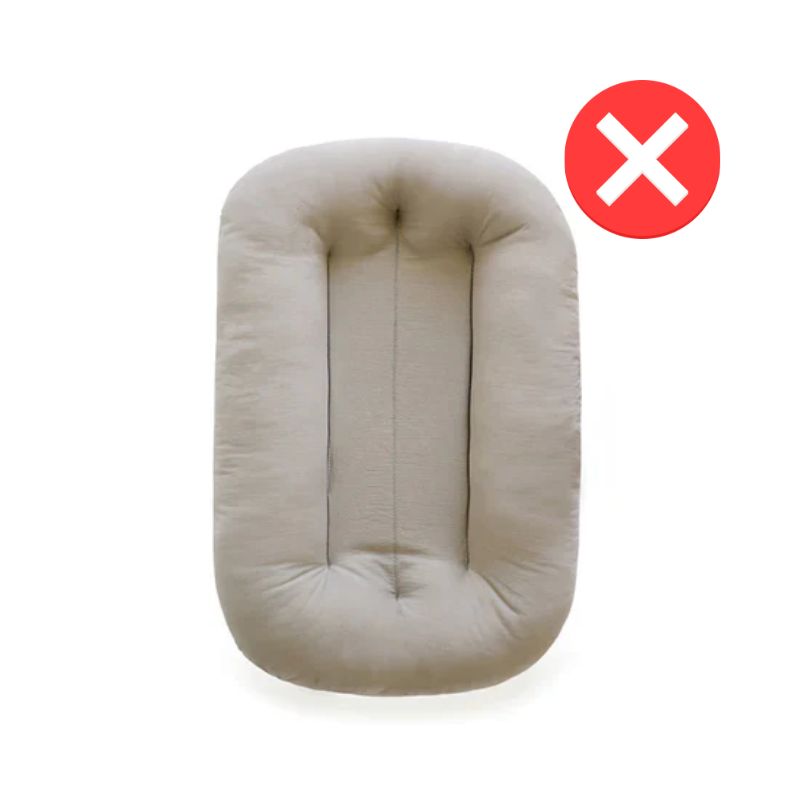
These loungers are increasingly popular, especially on social media. However, manufacturers clearly state that they are not designed for sleep, despite their misleading names.
Motor development: While they allow the baby to be placed on the floor, these loungers are smaller and softer than play mats, which limits movement and environmental exploration.
Safety: These products should never be used for naps or nighttime sleep. They do not meet safety standards. According to Health Canada, the safest sleep environment is a crib, cradle, or bassinet that meets Canadian standards. See Health Canada recommendations.
Heart-shaped pillow for flat head: avoid
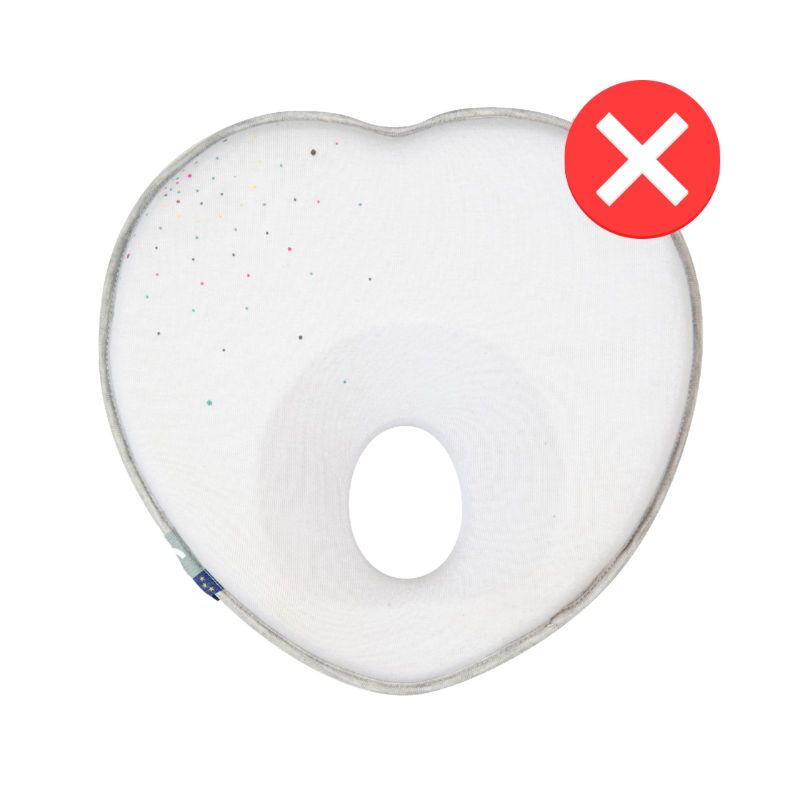
This pillow is often marketed to prevent flat head syndrome. However, it keeps the baby’s head in a central position, which goes against normal motor development that relies on free head rotation.
Without a pillow, babies naturally turn their heads more easily, helping reduce pressure on the back of the skull.
For babies with existing brachycephaly or plagiocephaly, this pillow is insufficient and may even worsen flattening by keeping the head centered for too long.
In cases of flat head, a consultation in pediatric physiotherapy is recommended to receive personalized positioning advice and assess for congenital torticollis.
Head protection pillow: avoid
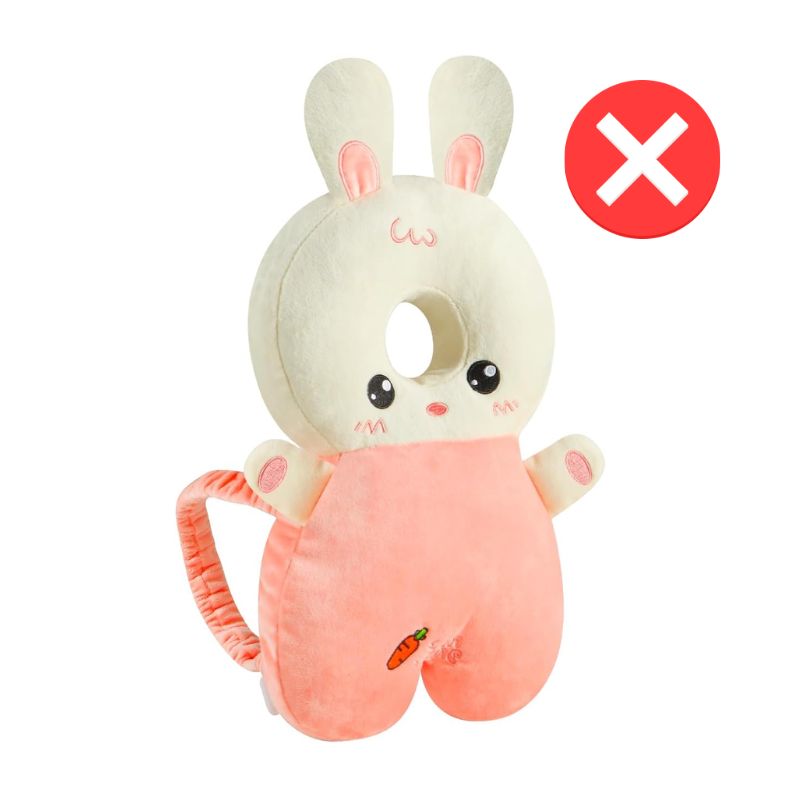
This pillow is often marketed to protect a baby’s head while learning to sit. However, it is generally unnecessary.
Before 8 to 9 months of age, a safe environment such as a play mat or foam mat is sufficient to protect the baby in case of falls. Over time, babies naturally learn to protect themselves with their hands.
Prolonged use of this pillow may hinder learning by encouraging the baby to fall backward instead of developing protective reactions.
If a baby continues to fall frequently while sitting at 8–9 months, an evaluation in pediatric physiotherapy is recommended.
Exersaucer: avoid
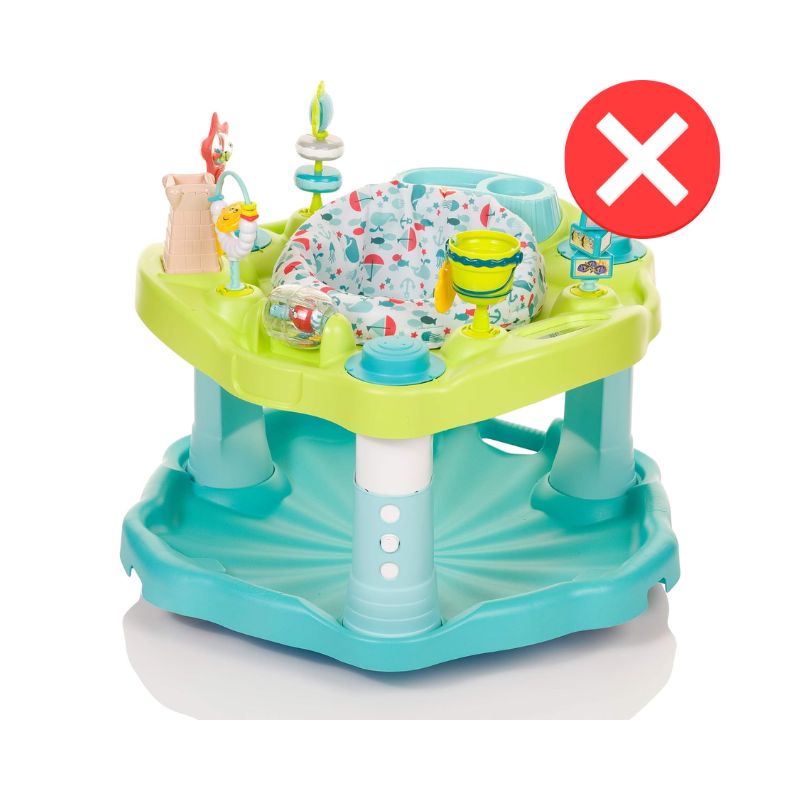
The exersaucer should be used as little as possible, ideally not at all. If used, it should be limited to very short periods (5 to 10 minutes), once or twice a day at most, for babies at least 6 months old.
Why? This position promotes pushing on the toes and excessive trunk extension, which can interfere with motor development and delay walking.
It does not allow adequate muscle work and limits exploration. Over time, babies will prefer moving on all fours rather than being restricted in this device.
This accessory should be completely avoided in children with cerebral palsy, increased extensor tone, or a tendency to stand on their toes.
Jolly Jumper: avoid
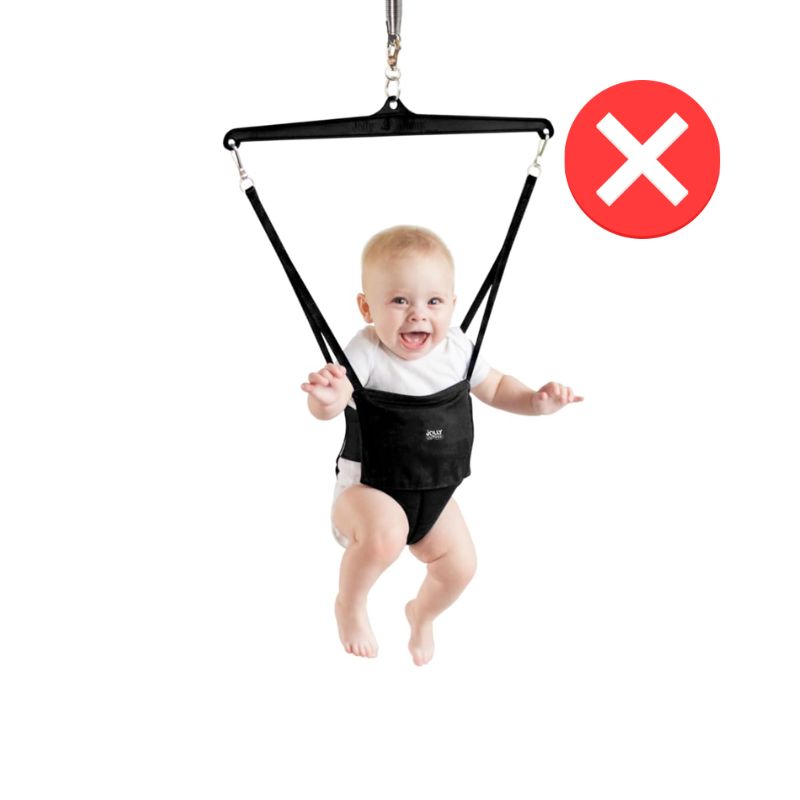
The Jolly Jumper fully supports the baby’s trunk, which limits muscle activation and trunk strength development.
It also promotes pushing on the toes and does not correspond to any normal stage of motor development related to learning to walk.
Even in babies without specific difficulties, this accessory provides no motor benefit. Floor play should always be prioritized.
Baby walker: banned in Canada since 2004
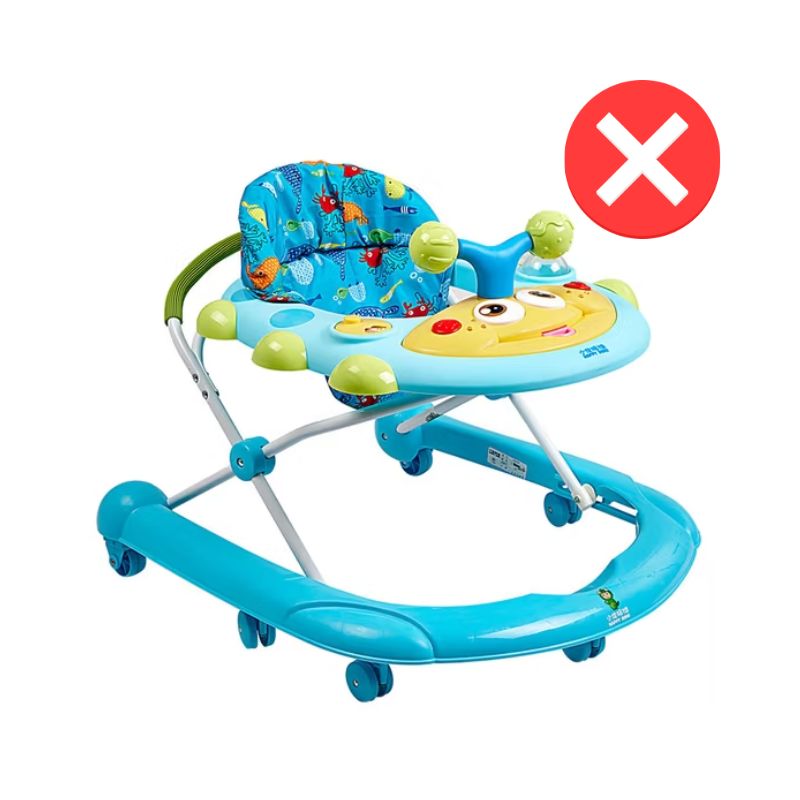
Baby walkers have been banned in Canada since April 7, 2004. Health Canada states that their importation, sale, and advertising are illegal. If you own a walker, it must be destroyed and disposed of so it cannot be used.
If you have questions about your baby’s motor development or the use of certain accessories, a pediatric physiotherapy assessment can make a real difference. Book an appointment at a PhysioExtra clinic to receive personalized advice tailored to your child’s needs.