Pelvic pain affects many people, both women and men, and can have a significant impact on quality of life. With pelvic floor rehabilitation, it is possible to regain greater comfort in everyday life. Whether the pain is related to pregnancy, surgery, or a chronic condition, our professionals are here to support you on your path to better well-being.
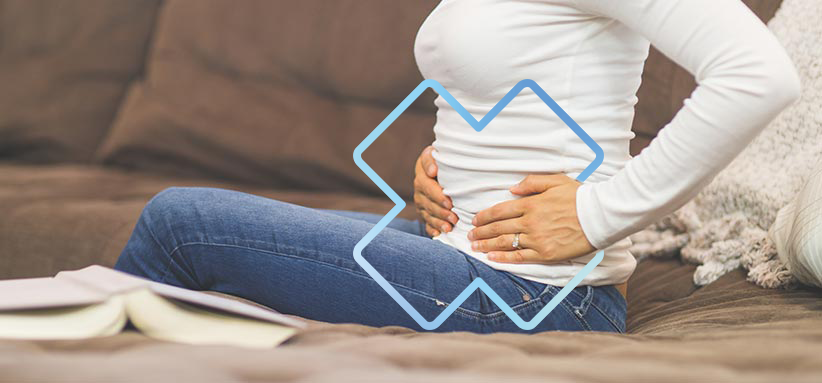
How does pelvic pain present?
Pelvic pain includes all discomfort felt in the pelvic region, lower abdomen, and pelvic floor. It can present as:
- Pain during sexual intercourse
- A feeling of heaviness or vaginal pressure
- Severe menstrual cramps
- Muscle tension in the pelvic region
- Pain during the bladder filling phase
- Difficulty and pain during bowel movements
These symptoms may be temporary or chronic and can affect different age groups.
What are the possible causes of pelvic floor pain?
In general, pelvic pain and pelvic issues are caused by dysfunction (for example, weakness or excessive tension) of the pelvic floor muscles, a group of muscles located at the base of the pelvis between the pubic bone and the coccyx. Other factors may also be involved, such as ligament injury, a difficult delivery, certain lifestyle habits, or associated medical conditions.
Pelvic floor rehabilitation to relieve pain
Pelvic floor rehabilitation in physiotherapy is the recommended approach to treat this type of pain. This approach aims to:
- Strengthen or relax the pelvic floor muscles
- Correct posture and movement habits
- Improve breathing patterns
- Improve pelvic mobility
- Improve body awareness
- Adapt daily activities to reduce tension
A personalized treatment plan is developed by your professional based on your symptoms and goals.
Frequently asked questions (FAQ)
What are the causes of urinary incontinence?
The most common cause of urinary incontinence is weak pelvic floor muscles. It most often occurs in connection with aging or childbirth, but can also affect women and men of all ages.
How do you know if Kegel exercises are right for you?
Kegel exercises are known to strengthen the pelvic floor muscles. These are good exercises, but are targeted at women with actual muscle weakness that requires strengthening. Some women instead have hypertonic (too tight) muscles that need to be relaxed and stretched. To be effective, Kegel exercises must also be performed correctly, which is more difficult than you might think. Ideally, you should consult a physiotherapist in perineal and pelvic rehabilitation who will advise you on the exercises suitable for you and teach you how to perform them properly.
You should know that in the presence of pain, we tend to contract our muscles and block our breathing. To relieve the pain, it is therefore recommended to begin by doing diaphragmatic breathing exercises which consist of breathing slowly and deeply by inflating the belly with each inspiration. You can place a hand on your belly to better feel the movement. Keep all the other muscles in your body relaxed. Do this exercise for about 5 minutes every day.
If you have an overactive bladder, avoid reducing the amount of water you drink each day. To promote bladder control, try to hold back your urges a little longer and consult a physiotherapist in perineal and pelvic rehabilitation.
When should you consult for pelvic pain?
As soon as the pain persists or begins to affect your daily activities. Early intervention helps support better recovery.
Is pelvic physiotherapy painful?
No. Treatments are performed gently and respectfully, based on your comfort level and progress.
Can men benefit from this approach?
Yes. Pelvic conditions also affect men, particularly in cases of urinary issues or following surgery.
What is the impact of running on the pelvic floor?
Because of its anatomy, the sacrum is supported by the pelvis, and the lumbar spine rests on the sacrum. If pelvic stabilization is not adequately maintained while running, the entire spine can become unbalanced. In addition, a stable pelvis helps maintain proper leg alignment during running.
Of course, the pelvic floor is not the only structure involved in running. The transverse abdominal muscle and the gluteal muscles also play an important role and should not be overlooked.